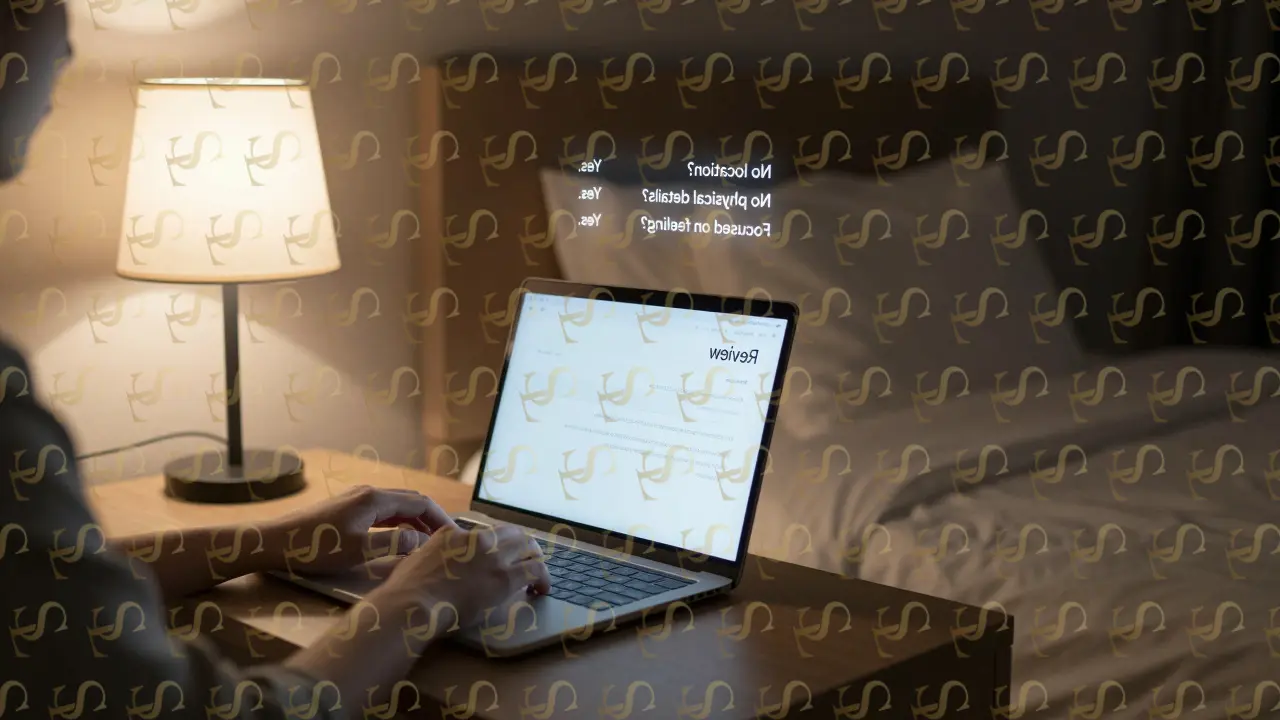

Writing a review on an escort board isn’t just about saying “great service.” It’s about giving honest, useful feedback that helps others while protecting everyone involved-especially the person you’re reviewing. Too many reviews end up revealing too much: real names, workplaces, tattoos, even license plate numbers. That’s doxxing. And it’s dangerous.
Why Doxxing Matters More Than You Think
Doxxing isn’t just rude-it’s illegal in many places. When someone’s personal details are shared without consent, they can face harassment, job loss, threats, or worse. Escorts, like anyone else, have a right to privacy. Even if they seem public-facing, their safety depends on boundaries being respected.
Think about it: if you wrote a glowing review that said, “I met her at the downtown hotel on 3rd and Maple, she had a scar on her left wrist and drove a red 2019 Honda Civic,” you’ve just handed someone’s location, appearance, and vehicle to strangers. That’s not praise. That’s a target.
What Makes a Good Review?
A great review tells you something useful without crossing lines. Here’s what works:
- Focus on experience, not identity. Instead of “She works at the Luxe Suite,” say “She was professional and kept the room spotless.”
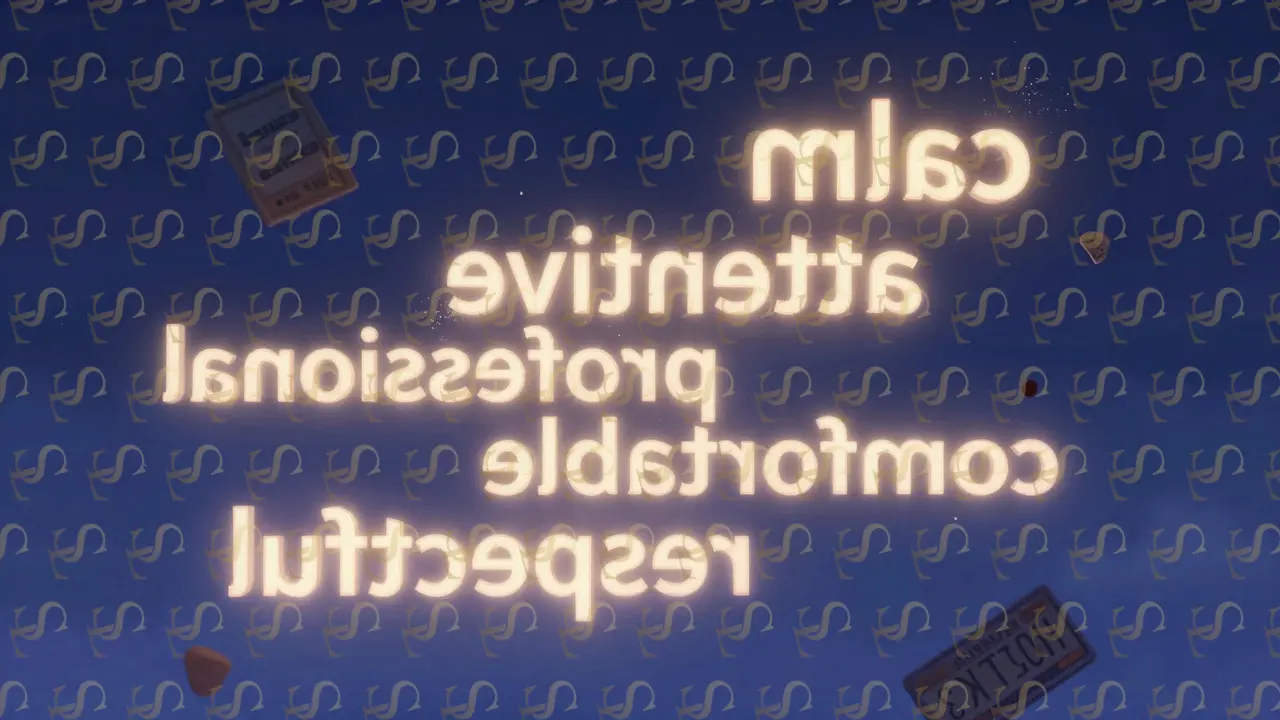
- Describe behavior, not appearance. “She had long dark hair” is risky. “She was calm, listened well, and made me feel at ease” is safe and meaningful.
- Use neutral language. Avoid slang, nicknames, or inside jokes that only a few would understand. Those often become clues.
- Be specific about service. “She knew how to read the room” or “She brought her own lube and towels” shows quality without revealing personal details.
Good reviews help others decide-not because they know who it is, but because they know what to expect.
Red Flags in Reviews: What to Avoid
Here are common mistakes that lead to doxxing-even if you didn’t mean to:
- “She works at the same place as my coworker.” → Names, jobs, or workplaces are off-limits.
- “She had the same tattoo as my sister.” → Tattoos, scars, birthmarks are personal identifiers.
- “I picked her up at 8 PM near the Starbucks on 5th.” → Exact locations, times, or landmarks can be tracked.
- “She drives a Tesla Model Y with the license plate ending in 7X9.” → License plates, car models, colors = too much.
- “She used the same perfume as my ex.” → Fragrances, voice tone, accent, or mannerisms can be used to identify someone.
If you’re unsure whether something could identify someone, leave it out. Always.

How to Praise Without Giving Away Anything
Here’s how to turn vague compliments into powerful, safe praise:
- Start with emotion. “I left feeling relaxed and respected.” That’s universal.
- Describe interaction. “She asked thoughtful questions and remembered what I said.” Shows attentiveness.
- Highlight professionalism. “She was punctual, clean, and clear about boundaries.” That’s what people want to know.
- Use comparisons carefully. “She was more relaxed than my last session”-no names, no locations.
- End with intent. “I’ll definitely book again.” Confirms value without details.
Example of a strong review:
“This was my third time booking and I’m not surprised I came back. She was calm, attentive, and made sure I was comfortable before we even started. The room was spotless, she brought everything needed, and she had a quiet confidence that put me at ease. No pressure, no awkwardness-just good energy. I’ll be back next month.”
No names. No location. No physical details. Just pure, useful feedback.
What If You Want to Say Something Personal?
Maybe you loved her laugh. Or she mentioned her cat. Or she gave you a book recommendation. That’s nice. But don’t write it down.
Personal moments stay personal. If you feel compelled to share something intimate, keep it to yourself-or send a private message if the platform allows it. Public reviews aren’t the place for anecdotes. They’re the place for safety and clarity.
What About “Positive” Doxxing?
Sometimes people think, “I’m just helping her get more clients!” That’s well-intentioned-but wrong. No one has the right to out someone, even if they “deserve” it. Escorts don’t owe the public their identity. And the moment you start sharing details to “help,” you’re eroding trust for everyone.
Imagine if someone wrote a glowing review about your dentist: “She works at 123 Main Street, has a silver tooth, and picks up her kid from Maple Elementary every day at 4:15.” You’d be horrified. Why? Because privacy matters. It matters here too.
What Should Platforms Do?
Board moderators need to enforce rules. That means:
- Removing reviews with identifying details.
- Warning users who repeatedly doxx.
- Providing clear guidelines: “Do not include names, locations, vehicle details, tattoos, workplaces, or unique physical traits.”
- Encouraging reviews that focus on behavior, not identity.
Platforms that don’t enforce this aren’t helping-they’re putting people at risk.
Final Rule: The 3-Second Test
Before hitting submit, ask yourself: If someone read this review, could they find this person in real life? If the answer is yes-even if it’s just “maybe”-delete it.
Here’s a quick checklist:
- Does it mention a location? → Delete.
- Does it describe a unique physical trait? → Delete.
- Does it reference a job, school, or car? → Delete.
- Does it use a nickname, alias, or inside reference? → Delete.
- Is it focused on how you felt, not who they are? → Keep it.
Good reviews don’t need names to be powerful. They need honesty, clarity, and respect. And those are the only things worth leaving behind.
Can I mention the name of a location if it’s a public place like a hotel?
No. Even public locations like hotels can be used to narrow down someone’s routine. If you say “I met her at the Hilton,” someone could cross-reference that with booking logs, security footage, or staff schedules. Always keep the location vague: “a quiet downtown hotel” is safe. “Hilton on 5th” is not.
Is it okay to say “She was better than my last escort”?
Yes-as long as you don’t describe the other person. Comparing experiences is fine: “She was more relaxed than my last session” works. But avoid anything that could lead someone to identify the other person: “She was better than the one with the blue tattoo” is dangerous. Stick to how you felt, not what they looked like.
What if I want to thank someone for being kind during a tough time?
That’s meaningful. But public reviews aren’t the right place for emotional stories. If you want to express gratitude, send a private message if the platform allows it. Public reviews should focus on consistency, professionalism, and safety-not personal narratives. Your kindness matters, but so does their privacy.
Do I need to write a review at all?
No. You’re under no obligation to leave feedback. If you don’t feel comfortable writing something safe and respectful, don’t write anything. Silence is better than a review that risks someone’s safety. Quality reviews come from thoughtful reflection-not pressure to post.
Can I use emojis or symbols to hint at details?
No. Emojis like 🚗, 🏨, or 💉 don’t hide information-they make it harder to detect. Someone could still screenshot and analyze patterns. A review saying “She had a red car 🚗” is just as risky as spelling it out. Keep it clean. No hints. No clues.