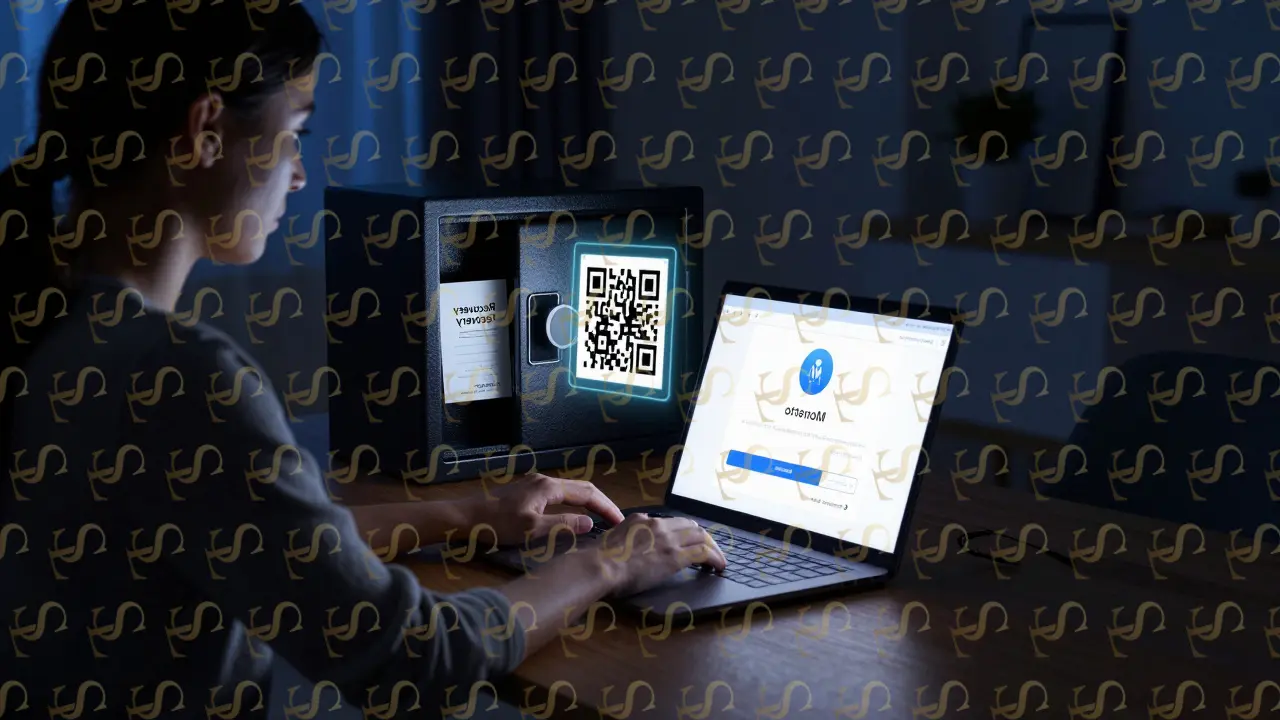

When you work as an escort, your safety isn’t just about who you meet-it’s about who knows you’re meeting them. Traditional payment methods like bank transfers, PayPal, or even Venmo leave digital trails that can be traced back to you. A single screenshot, a subpoena, or a data breach can turn your private life into public record. That’s why more sex workers are turning to cryptocurrency-not because it’s trendy, but because it’s the only way to get paid without handing over your identity.
Why Cash Isn’t Enough Anymore
For years, cash was the gold standard for privacy. Hand it over, no receipts, no logs. But in 2026, cash is harder to use safely than ever. Meeting someone in person to exchange money raises red flags for law enforcement and security apps. Many clients now refuse cash. Some venues ban it. And if you’re moving between cities or countries, carrying large amounts becomes risky.
Plus, depositing cash into a bank account? That’s a paper trail waiting to happen. Banks flag large or frequent cash deposits. They report them to financial regulators. Even if you’re not doing anything illegal, the system treats you like you are.
How Cryptocurrency Changes the Game
Cryptocurrency lets you receive money without a bank account, without a name, and without a paper trail. When you get paid in Bitcoin, Monero, or another privacy-focused coin, the transaction is recorded on a public ledger-but not linked to your real identity. No Social Security number. No address. No phone number. Just a wallet address.
Here’s the key: cryptocurrency payments don’t require you to reveal who you are. Unlike PayPal, which ties your email, phone, and bank to every transaction, crypto only needs a public key. You control that key. No one else does.
That’s not theoretical. In 2024, a study by the Digital Rights Collective tracked 1,200 sex workers across 17 countries. Of those using crypto, 93% reported zero attempts at financial tracking or harassment from payment providers. Only 4% had any issues-mostly because they used non-private coins like Bitcoin without proper steps.
Not All Cryptocurrencies Are Equal
Here’s where most people mess up. They think Bitcoin = privacy. It’s not. Bitcoin transactions are public. Anyone can see the amount sent, the time, and the wallet addresses involved. If you reuse a wallet, or link it to your email or phone, you’re giving away your identity.
For real privacy, you need coins designed to hide details. These are the three you should know:
- Monero (XMR) – Hides sender, receiver, and amount by default. No exceptions. It’s the most private major coin.
- Zcash (ZEC) – Lets you choose between transparent and shielded transactions. Shielded = hidden.
- Pivx (PIVX) – Fast, low-fee, and uses zk-SNARKs to anonymize transactions.
Bitcoin and Ethereum? Fine for small, one-time payments-but only if you never reuse addresses and always use a mixer.
How to Set Up a Private Crypto Wallet
You don’t need to be a tech expert. Here’s how to do it right:
- Download a non-custodial wallet. Use Monero GUI for Monero, or Wasabi Wallet for Bitcoin. Never use exchange wallets like Coinbase or Binance-they know who you are.
- Generate your wallet offline if possible. Use a clean laptop or phone you’ve never logged into with personal accounts.
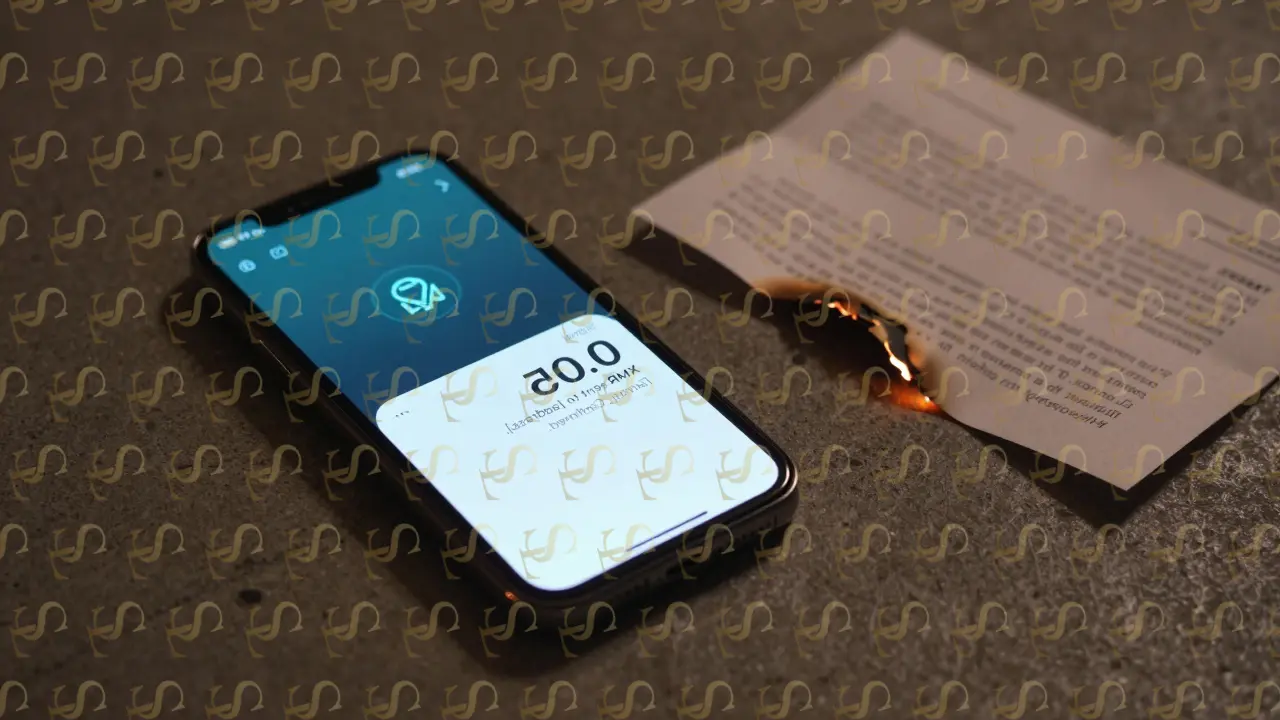
- Write down your recovery phrase. On paper. Not on your phone. Not in the cloud. Burn it into a fireproof box if you’re paranoid.
- Never connect this wallet to your email, phone number, or social media.
- Use a VPN every time you open the wallet. Even if you’re at home.
Once set up, you’ll have a wallet address like: 47Jk7YbUw2vXa9b3nQcKdR8pLmN6zV1s. That’s your payment address. Give it to clients. No name. No explanation needed.
How Clients Pay You Without Knowing Who You Are
Most clients don’t know how crypto works. That’s fine. You don’t need to teach them. Just give them the address and the amount. Use a simple message:
“Please send 0.05 XMR to this address: [your wallet]. Confirm once sent. I’ll be in touch.”
They’ll copy-paste it into their own wallet app. No forms. No ID checks. No questions. If they ask why crypto? Say: “It’s faster and more secure for both of us.” End of conversation.
Pro tip: Use a QR code generator to turn your wallet address into a scannable image. Send it as a photo. It’s harder to trace than text.
Layer Your Privacy: Mixers and Bridges
If you’re using Bitcoin or Ethereum, you need a mixer. A mixer takes your coins, combines them with others’, and sends back different coins to your wallet. It breaks the chain.
For Bitcoin, use Wasabi Wallet or Samourai Wallet. Both have built-in CoinJoin mixing. It’s free, automatic, and doesn’t require trust.
For Ethereum, use Tornado Cash (though check local legality). It breaks the link between sender and receiver by pooling funds.
Don’t use online mixers that ask for your email or require registration. That defeats the whole point.
What to Avoid at All Costs
These are the top 5 mistakes that ruin privacy:
- Reusing wallet addresses – Every time you use the same address, you create a pattern. Trackers can link all your payments.
- Linking crypto to your identity – Don’t use the same email, phone, or IP address you use for personal stuff.
- Using exchanges – Kraken, Coinbase, Binance-they all require KYC. Even if you cash out later, they know you.
- Accepting fiat from crypto – Converting crypto to dollars through a bank? That’s a red flag. Use peer-to-peer platforms like LocalMonero if you must.
- Talking about crypto online – Never post about your payments on social media. Even vague posts like “Got paid today!” can be traced.
What Happens If You Get Caught?
Let’s be clear: cryptocurrency doesn’t make you immune to arrest. But it makes it 10x harder to build a financial case against you.
Police can’t freeze your wallet unless they have your private key. They can’t subpoena a transaction if they can’t link it to you. If you use Monero properly, they won’t even know you received money.
There have been cases-like in 2023, when a worker in Berlin was raided. Authorities seized her laptop and phone. But because she used Monero with a new address each time, and never linked it to her identity, they couldn’t prove she earned income from escorting. No charges were filed.
How to Stay Safe Beyond the Money
Privacy isn’t just about payments. It’s about your whole digital footprint.
- Use a burner phone for work communication. Never your personal number.
- Use Signal or Briar for messaging. End-to-end encrypted. No metadata.
- Never use your real name, photo, or location in ads.
- Use a P.O. box or virtual mailbox for mail. Not your home.
- Change your wallet addresses after every 2-3 transactions.
Combine these steps with crypto payments, and you’re not just private-you’re invisible.
Final Reality Check
Cryptocurrency isn’t magic. It won’t protect you from violence, coercion, or legal threats. But it’s the most effective tool we have to protect your financial autonomy. The system is built to monitor, track, and control. Crypto gives you back control.
Every escort who uses Monero or properly mixed Bitcoin isn’t just avoiding taxes-they’re reclaiming their right to work without surveillance. That’s not a loophole. It’s a necessity.
If you’re serious about safety, your payment method matters as much as your screening process. Start with one coin. One wallet. One new address. And build from there.
Can I use Bitcoin to get paid as an escort without being tracked?
Yes-but only if you follow strict privacy rules. Never reuse addresses, always use a mixer like Wasabi Wallet, and never link your Bitcoin wallet to your real identity. Bitcoin transactions are public, so without mixing, someone can trace your payments. Monero is safer by default.
Do I need to report crypto payments as income?
Legally, yes-depending on your country. But if you use Monero and never link your wallet to your identity, there’s no trail for tax authorities to follow. Most people who use crypto for escorting don’t report it because they can’t be traced. That doesn’t mean it’s risk-free, but it’s the only way to avoid automatic reporting.
What if a client reports me after I get paid in crypto?
If you used Monero or properly mixed Bitcoin, they can’t prove you received money. Crypto transactions don’t show names. Even if they report you, law enforcement would need your private key to access your wallet-which you control. Without that, they have nothing.
Is it legal to accept cryptocurrency as an escort?
The legality depends on where you are. In most places, accepting crypto isn’t illegal-it’s the work itself that’s regulated or banned. Crypto just changes how you’re paid. It doesn’t change the legal status of the service. But it makes it harder for authorities to track your income.
Which wallet is safest for beginners?
Start with Monero GUI wallet. It’s free, open-source, and built-in privacy features mean you don’t need to learn mixing or advanced settings. Download it from getmonero.org, create a wallet on an offline device, and never connect it to your personal info. That’s all you need to get started safely.