

Walking into Zuma Dubai at DIFC isn’t just about booking a table. It’s about stepping into a space where every detail is calibrated for people who already have everything-and want to be seen, not shown off. If you’re entertaining someone elite-a CEO, a high-net-worth investor, a cultural influencer-you can’t rely on charm alone. You need precision. The food is world-class, yes. But what makes the night unforgettable is how you move through it.
Arrival: Timing Is Everything
Arrive exactly 10 minutes before your reservation. Not 5. Not 15. Zuma’s staff notice who’s late, and they notice who’s early. If you show up too early, you’re waiting in the lobby like a tourist. Too late, and you’ve already signaled disrespect. Elite companions notice these things because they’ve been burned by them before.
There’s no valet line at DIFC during prime hours. Have your driver drop you at the main entrance. No need to park and walk. They’ll take your car. You walk in like you belong here-because you do.
Dress Code: No Exceptions
Zuma doesn’t have a posted dress code. But you’ll know it the moment you walk in. Men wear tailored dark jackets, even if it’s 40°C outside. No ties, but the collar is always buttoned. Women wear silk or structured linen-nothing flashy, nothing casual. Think quiet luxury. Not Gucci logo, not athleisure.
One man showed up last month in a linen shirt unbuttoned to the navel. He was asked to leave. Not because Zuma is rigid, but because elite companions don’t want to be seated next to someone who doesn’t understand context. You’re not here to express yourself. You’re here to honor the person you’re hosting.
Seating: The Table Chooses You
Don’t ask for a table by the window. Don’t ask for the private room. Let the host guide you. The best tables aren’t the most visible-they’re the ones with the quietest acoustics, the softest lighting, the least foot traffic. The host knows who gets what. Trust them.
If you’re bringing someone who’s never been, don’t explain the seating. Just say, “They’ve got a great corner table.” No need to overthink. Elite companions appreciate being led, not consulted.
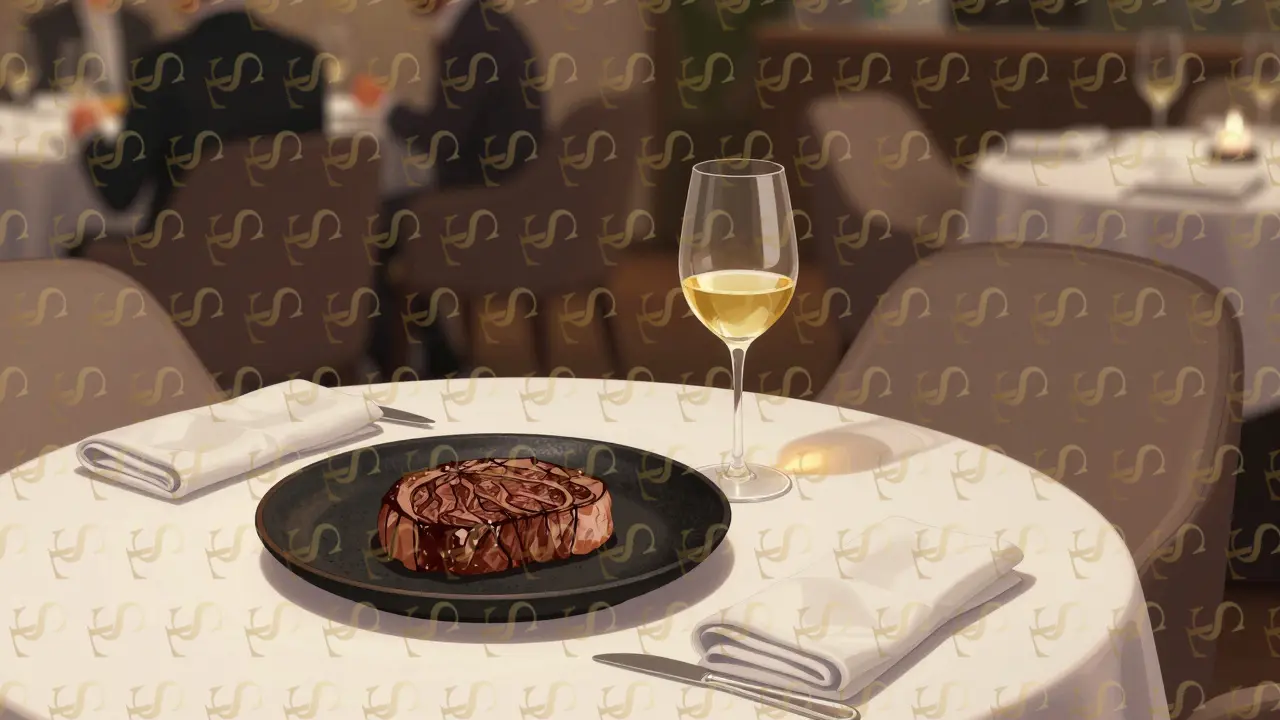
The Order: What to Order-and What Not To
Start with the oyster and caviar platter. It’s the signature. Not because it’s expensive, but because it’s subtle. It says you know what matters: freshness, balance, restraint.
Order one main dish for each person. No sharing platters. No “let’s try everything.” That’s for tourists. The menu is designed for single-ingredient mastery. A perfect wagyu steak. A single scallop with yuzu foam. A whole grilled fish, deboned tableside. You order one. They bring it. You eat it.
Don’t order the spicy tuna roll. Don’t order the tempura. Don’t order the dessert menu unless they’ve already had three courses. Zuma’s dessert is an afterthought. If you’re serious, you’ll skip it. Or order the matcha soufflé-but only if your guest has a sweet tooth and you’ve already noticed it.
Drinks: No Bottles, No Name-Dropping
Wine? Ask the sommelier. Not for recommendations. For confirmation. Say: “What’s the most balanced white to go with the sea bream?” Not: “What’s your most expensive bottle?”
Never order a bottle of champagne unless you’re celebrating a deal signed. Otherwise, stick to a single glass of Sancerre or a perfectly poured Japanese whisky on the rocks. The goal isn’t to impress with price. It’s to impress with taste.
And don’t say, “I heard this place has the best mojitos in Dubai.” No one says that here. No one needs to.
Conversation: The Art of the Pause
Elite companions don’t want to be entertained. They want to be understood. Don’t talk about your latest trip to Bali. Don’t mention your yacht. Don’t bring up politics. Don’t ask about their children unless they’ve mentioned them first.
Instead, ask: “What’s the last thing that surprised you?” Or: “What’s a skill you wish you’d learned earlier?” These questions open doors. They don’t demand answers.
Listen. Then pause. Let silence sit. Most people rush to fill it. The best hosts let it breathe. That’s when the real talk happens.
The Bill: Never Mention It
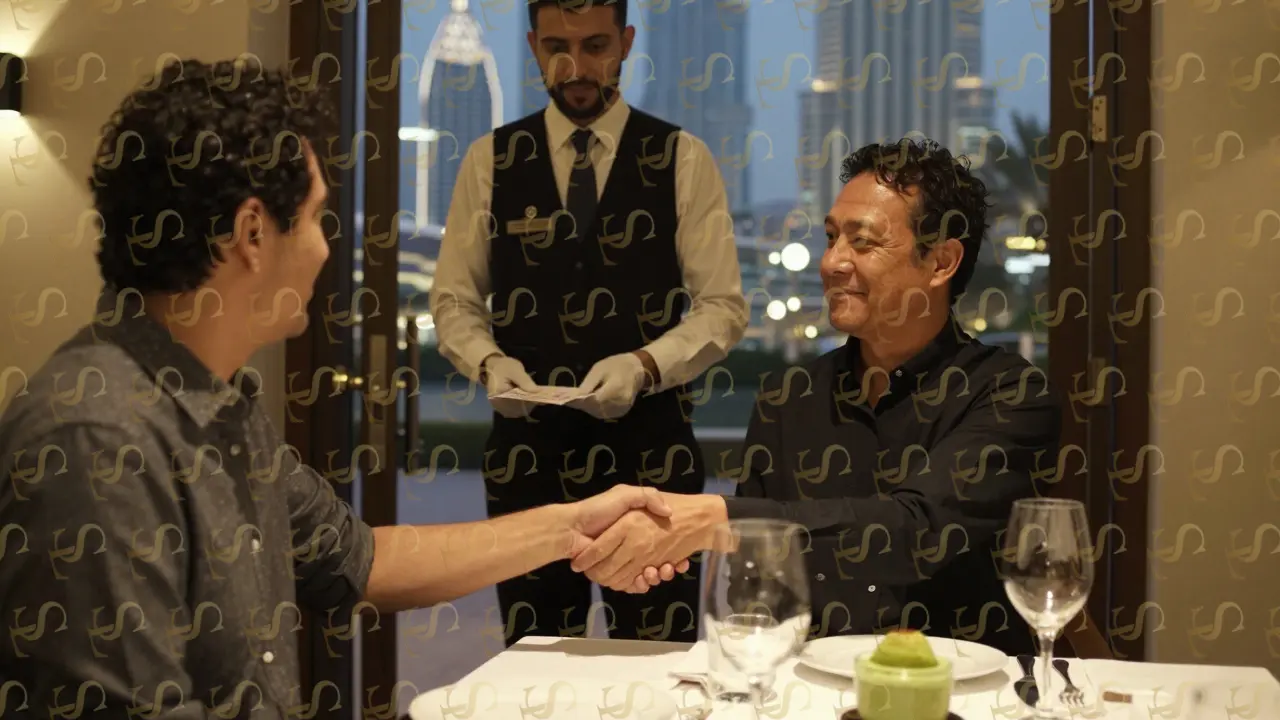
When the check comes, don’t reach for it. Don’t say, “I’ve got this.” Don’t even look at it. Let the server place it on the table, then turn slightly away. Wait. If they offer to split it, say, “It’s on me.” Then, quietly, say, “Thank you for a wonderful evening.”
If they ask for a card, hand it over without a word. No, “Here, I’ll pay.” Just hand it. The gesture is silent. The respect is loud.
Exit: Leave Like You Belong
Don’t linger. Don’t take photos. Don’t ask for the chef. Don’t ask for the manager. You don’t need to. You’ve already been seen.
Stand. Thank your guest. Shake their hand. Look them in the eye. Say, “I’m glad we did this.” Then walk out. No last-minute calls. No “Can I text you tomorrow?”
Because if you did this right, they’ll already be thinking about the next time.