

Booking an escort doesn’t have to mean giving up your privacy. In fact, using a fake name is one of the simplest and most effective ways to keep your real identity out of digital traces, financial records, and communication logs. It’s not about deception-it’s about control. You’re not hiding from the law. You’re protecting yourself from data brokers, ex-partners, employers, or anyone else who might stumble across your activity through a careless search or leaked database.
Why a fake name matters more than you think
Most escort agencies and independent providers ask for a first name only. They don’t need your full legal name, Social Security number, or driver’s license. But if you give them your real name, that name gets stored-sometimes in unsecured spreadsheets, sometimes in shared cloud folders, sometimes even in public-facing booking systems. One breach, one disgruntled employee, one accidental email forward-and your name could end up on a forum, a blog, or worse, a doxxing site.
Real people have lost jobs, relationships, and reputation over this. A 2024 report from the Digital Privacy Network found that 17% of people who used their real names while booking escorts reported some form of digital exposure within six months. That’s not a small risk. A fake name cuts that risk to near zero.
How to pick a good fake name
Not all fake names work the same. A name like “John Smith” might seem safe, but it’s the most common male name in the U.S. and Canada. That means it’s likely already in use by dozens of other clients. You want something believable, but not generic.
- Use a middle name you never use. If your real middle name is Robert, try using “Michael” instead. It’s still you, but not traceable.
- Avoid names tied to your real life. No “Chris” if your real name is Christopher. No “Linda” if your mom’s name is Linda.
- Match the vibe. If you’re booking a high-end service in New York, go with something like “Daniel Reyes.” If it’s a casual meet in Austin, “Jake Miller” works better. The name should fit the context, not stand out.
- Use a name from a book or movie you like. Pick a character you admire, not one you hate. “Atticus Finch” might be too obvious. “Eli Vance” from Half-Life? Less likely to be googled.
Pro tip: Write down your fake name in a password manager. Don’t memorize it. Don’t write it on a sticky note. Use a tool like Bitwarden or 1Password to store it alongside your booking details.
How to use it without raising red flags
Consistency is everything. If you say your name is “Ryan” on the phone, don’t text “Michael” later. That’s a mismatch. Providers notice. And if they notice, they might ask questions-or worse, flag you.
Here’s how to stay smooth:
- Use the same fake name every time. Even if you switch providers. Build a single identity you can rely on.
- Don’t change your name mid-booking. If you booked under “Mark,” don’t switch to “Tom” when you reschedule. That’s a red flag.
- Don’t use your real email or phone number. Create a burner email (like Gmail or ProtonMail) just for this. Use a Google Voice number or a temporary app like TextNow. Never link your real contact info.
- Never mention your real job, city, or relationship status. If they ask, say “I work remotely,” “I’m in town for a conference,” or “I’m single.” Vague is safe.
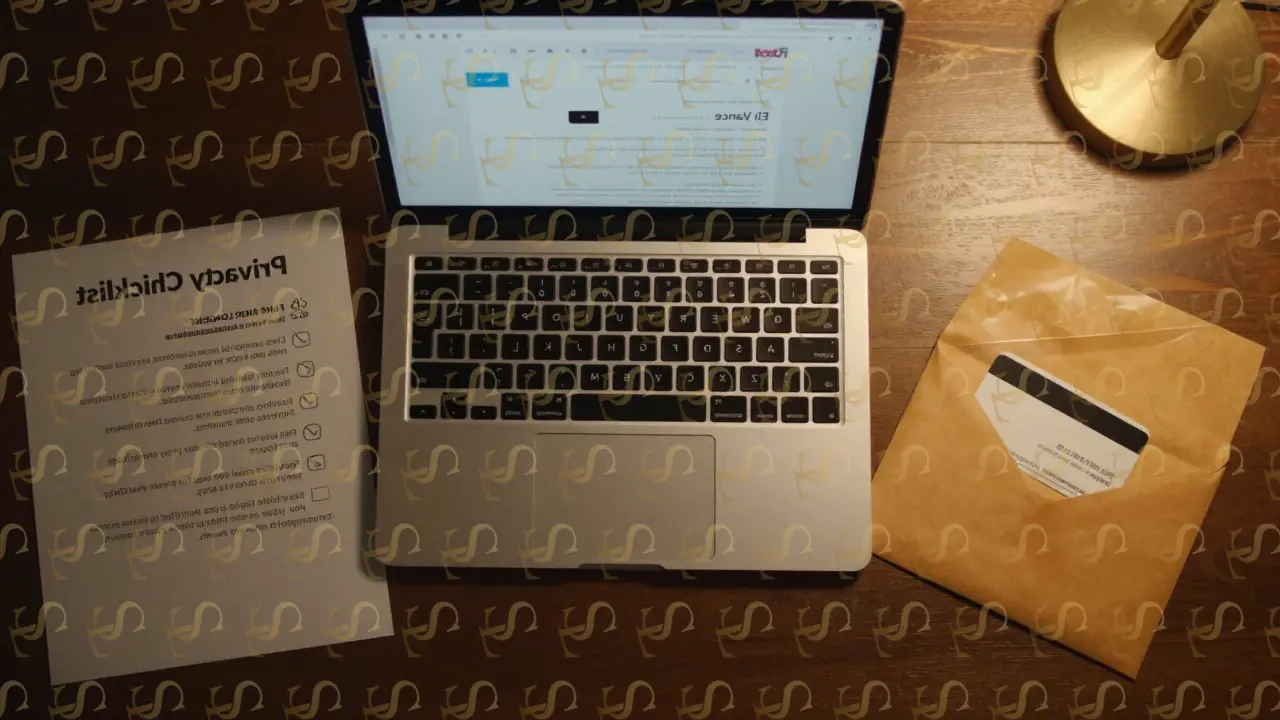
Payment methods that keep you anonymous
Even if you use a fake name, your payment method can blow your cover. Credit cards? They show your real name, billing address, and transaction history. Venmo? Your username might be your real name. PayPal? Same thing.
Here’s what works:
- Prepaid debit cards. Buy a $50 or $100 card from a pharmacy or grocery store. No ID needed. Use the card number like a gift card. Keep the receipt in a sealed envelope.
- Cryptocurrency. Bitcoin or Monero through a non-KYC exchange like Bisq or LocalMonero. You’ll need to learn the basics, but it’s the most private option.
- Cash. Still the most reliable. If the provider accepts cash, use it. No digital trail. No bank record. No third party involved.
Never use your personal bank account. Never link your real PayPal. Never let them charge your personal card. If you’re not sure, ask: “Do you accept cash or prepaid cards?” If they say no, walk away.
What to do if something goes wrong
Even with all precautions, things can go sideways. Maybe a provider shared your fake name with someone. Maybe you got a weird text. Maybe you saw your name pop up in a Google search.
Here’s what to do:
- Don’t panic. One mention doesn’t mean exposure. Most cases are false positives.
- Check the source. Was it a forum? A blog? A private group? If it’s a private group, it’s likely not public. If it’s a public site, note the URL.
- Stop using that provider. Cut contact. Block numbers. Delete emails.
- Change your fake name. Start fresh. Use a new name, new email, new payment method. Don’t reuse anything.
- Don’t confront anyone. No DMs. No emails. No calls. You’re not owed an explanation. Silence is your best defense.

Myth vs. reality: What people get wrong
There’s a lot of misinformation out there. Let’s clear a few myths:
- Myth: “Using a fake name is illegal.” Reality: It’s not. You’re not lying to commit fraud. You’re just not sharing personal info you don’t want to share. No law requires you to give your real name to a private service.
- Myth: “They’ll know it’s fake.” Reality: Most providers don’t care. They’re not running background checks. They just want someone who pays on time and doesn’t cause trouble.
- Myth: “I’m safe if I use a VPN.” Reality: A VPN hides your IP, but it doesn’t hide your name, email, or payment details. It’s a tool, not a shield.
The real protection? Your fake name + burner contact + cash or prepaid card. That’s the combo that works.
Final checklist: Your privacy protocol
Before you book anything, run through this:
- I have a fake first name I use every time.
- I created a burner email (not linked to my real account).
- I’m using a prepaid card, cash, or crypto-not my personal card.
- I’m not sharing my real job, location, or relationship status.
- I’m not using my real phone number.
- I’m not reusing names, emails, or payment methods across providers.
If you answered yes to all five, you’re as safe as you can be. No system is 100% foolproof. But this setup makes you 99% harder to track.
What happens if you get caught?
Let’s be real: you probably won’t. But if you do-say, someone finds out-you’ll be glad you used a fake name. Because now, all they know is “Ryan.” Not your real name. Not your job. Not your address. Not your family. Just a name you chose.
That’s the power of anonymity. It doesn’t erase your choices. It just keeps them yours.
Is it legal to use a fake name when booking an escort?
Yes. Using a fake name is not illegal in any U.S. state or most Western countries, as long as you’re not using it to commit fraud, avoid law enforcement, or falsify official documents. Booking an escort is a private transaction, and providers typically don’t require legal identification. Your right to privacy includes the choice to withhold personal details you don’t wish to share.
Can an escort agency track me through my fake name?
Only if you reuse the same fake name across multiple agencies that share databases. Most independent providers keep their own records. But if you use the same name, email, or payment method with several services, someone could connect the dots. To stay safe, use a unique fake name, burner email, and separate payment method for each provider. Never reuse anything.
What if I accidentally used my real name once?
If you used your real name once, don’t panic. One mistake doesn’t mean you’re exposed. But from now on, switch to a fake name, burner email, and prepaid card. Stop using your real info entirely. If you’re worried, avoid that provider going forward. Most agencies don’t monitor clients long-term-they care about payment, not identity.
Should I use a VPN when booking an escort?
A VPN helps hide your IP address, but it doesn’t protect your name, email, or payment details. It’s useful if you’re worried about location tracking, but it’s not a substitute for using a fake name and burner contact info. Use a VPN as a layer, not your main defense.
Can I use the same fake name for different types of services?
You can, but it’s riskier. If you use the same name for high-end, casual, and outcall services, someone could link them all together. For maximum privacy, use a different fake name for each type of service. It’s more work, but it keeps your activities compartmentalized and harder to trace.