

For many expats living in cities like Dubai, Singapore, or even coastal California, the weekend isn’t just a break from work-it’s a carefully crafted ritual. It’s not about sleeping in or running errands. It’s about golf, brunch, and elite companionship. This isn’t a fantasy. It’s the real rhythm of life for thousands who’ve chosen to live abroad on long-term visas, corporate assignments, or early retirement packages.
Why Golf? It’s Not Just a Sport
Golf isn’t played here because it’s relaxing. It’s played because it’s the most efficient networking tool on the planet. A 4-hour round on a private course lets you talk about markets, investments, and school options without the pressure of a boardroom. You don’t need to be good at golf. You just need to show up.
In places like Riyadh or Hong Kong, expat golf clubs have waiting lists longer than luxury apartment rentals. The green fees? Often covered by your employer. The real cost? The time you spend building relationships. A study from the International Expat Network found that 68% of expats who played golf regularly landed new business deals or job referrals within six months. It’s not luck. It’s structure.
Most weekend rounds start at 7 a.m. to beat the heat. You arrive in linen shirts, no socks, and a thermos of cold brew. The first hole isn’t about your swing-it’s about who you’re paired with. The expat banker from London. The tech founder from Berlin. The retired CEO from Houston. Conversations flow easier over a 150-yard par 3 than over Zoom calls.
Brunch: The Social Currency
After golf, it’s brunch time. But not just any brunch. This is the kind where the mimosa is served in crystal flutes, the avocado toast is topped with truffle oil, and the waitstaff knows your name before you sit down.
Popular spots aren’t listed on TripAdvisor. You hear about them through word-of-mouth: “The one with the rooftop garden in Marina Bay,” or “The place where they serve smoked salmon pancakes on Sundays.” These aren’t restaurants-they’re social hubs. You show up between 11 a.m. and 1 p.m. because that’s when everyone else does. Miss it, and you miss the pulse of the expat community.
Brunch isn’t about food. It’s about visibility. You don’t need to be rich to be here. But you do need to be seen. A woman in Dubai told me she started bringing her daughter to brunch every Sunday. Within three months, she got invited to a private school open house. A man in Bangkok met his current business partner over a plate of crab cakes and a glass of rosé. These aren’t coincidences. They’re outcomes.
The menu is secondary. What matters is who’s at the next table. Who’s wearing the same watch as you? Who’s talking about the new visa policy? Who’s nodding when you mention your kid’s IB school? That’s the real menu.
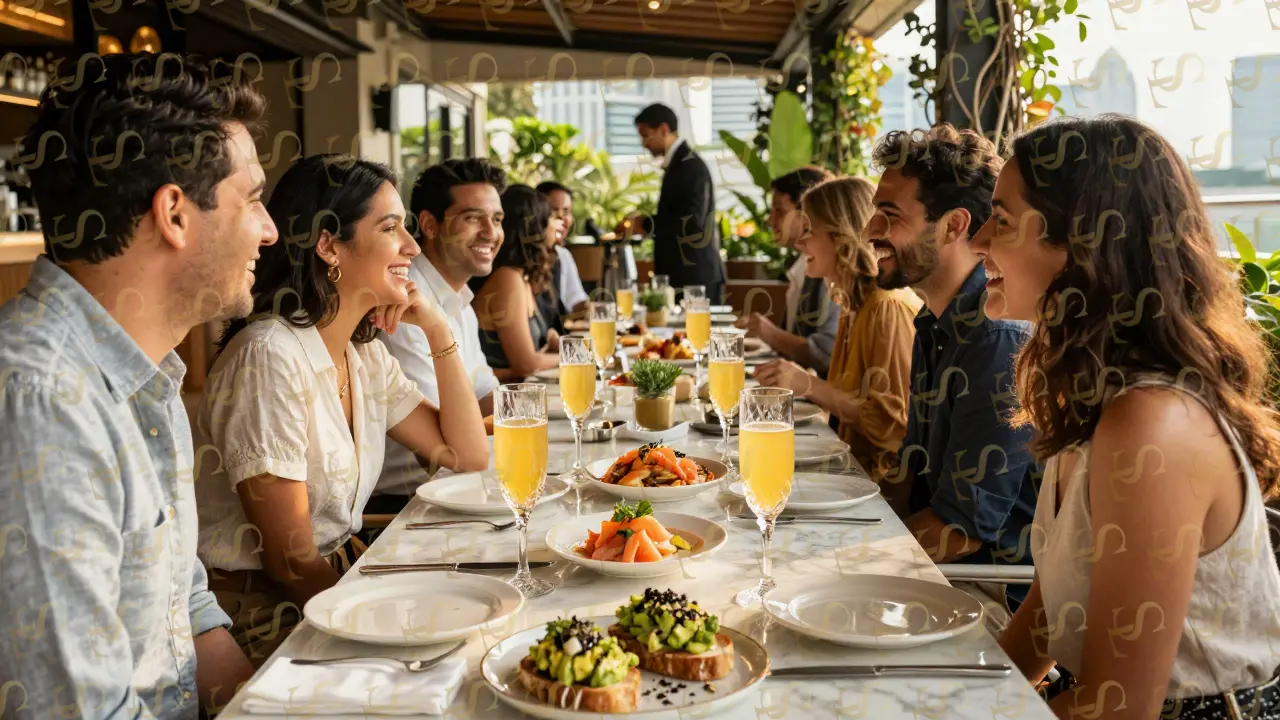
Elite Companionship: The Unspoken Rule
This is the part no one talks about openly. But it’s the glue holding the whole routine together. Elite companionship doesn’t mean rich people. It means people who’ve made the same choice you have: to live outside their homeland, on purpose, with intention.
You don’t need to be a CEO. You just need to be someone who understands the quiet loneliness of being abroad. Who knows what it means to celebrate Christmas in Manila or New Year’s in Lagos. Who doesn’t flinch when you say, “I haven’t seen my parents in 18 months.”
The friendships here are different. They’re deeper because they’re built on shared displacement. There’s no small talk about the weather or local politics. You skip straight to: “How’s your visa renewal going?” or “Did you find a dentist who takes international insurance?”
These bonds last. Not because you’re in the same industry. But because you’ve all chosen to rebuild your lives far from home. And in that space, trust forms faster. A man in Zurich told me he flew his expat golf buddy to Switzerland for his son’s surgery. No one asked for repayment. No one needed to.
The Hidden Cost of This Routine
Let’s be honest-this lifestyle isn’t for everyone. The cost isn’t just financial. It’s emotional.
Some expats get stuck in this loop. Golf. Brunch. Repeat. They stop exploring the country they live in. They never learn the language. They never eat at the local market. They become isolated in a bubble of privilege, mistaking comfort for connection.
One woman in Bali told me she’d been there for five years and still hadn’t met a single Balinese person outside her yoga studio. She knew every expat at the golf club. But she didn’t know how to say “thank you” in Bahasa. That’s not a lifestyle. That’s a performance.
The best expats balance this routine with real immersion. They take a cooking class with a local chef. They volunteer at a community center. They travel on weekdays, when the crowds are gone. The golf and brunch? Those are the dessert. Not the main course.

What If You’re Not a Golfer?
Not everyone swings a club. And that’s fine. The real pattern isn’t golf-it’s ritual. It’s the rhythm of intentional connection.
Some expats swap golf for sailing. Others meet for Sunday hikes in the hills outside Lisbon. A group in Tokyo gathers every weekend for tea ceremonies. In Medellín, it’s wine tastings at family-run vineyards. The activity matters less than the consistency.
What works? A weekly gathering. A fixed time. A shared expectation. You don’t need a private course. You just need to show up-regularly, reliably, with openness.
Start small. Find one person who seems like they’re also trying to build something real. Invite them for coffee. Then coffee again. Then brunch. The rest follows.
Is This the Life You Want?
There’s no right way to be an expat. But there is a difference between living abroad and hiding abroad.
If you’re chasing status, this routine will feel empty. If you’re chasing connection, it can become your anchor. The golf course, the brunch table, the quiet conversations over champagne-these aren’t symbols of wealth. They’re spaces where people who’ve lost their old lives come together to build new ones.
It’s not about who you know. It’s about who you become when you stop pretending you’re just passing through.