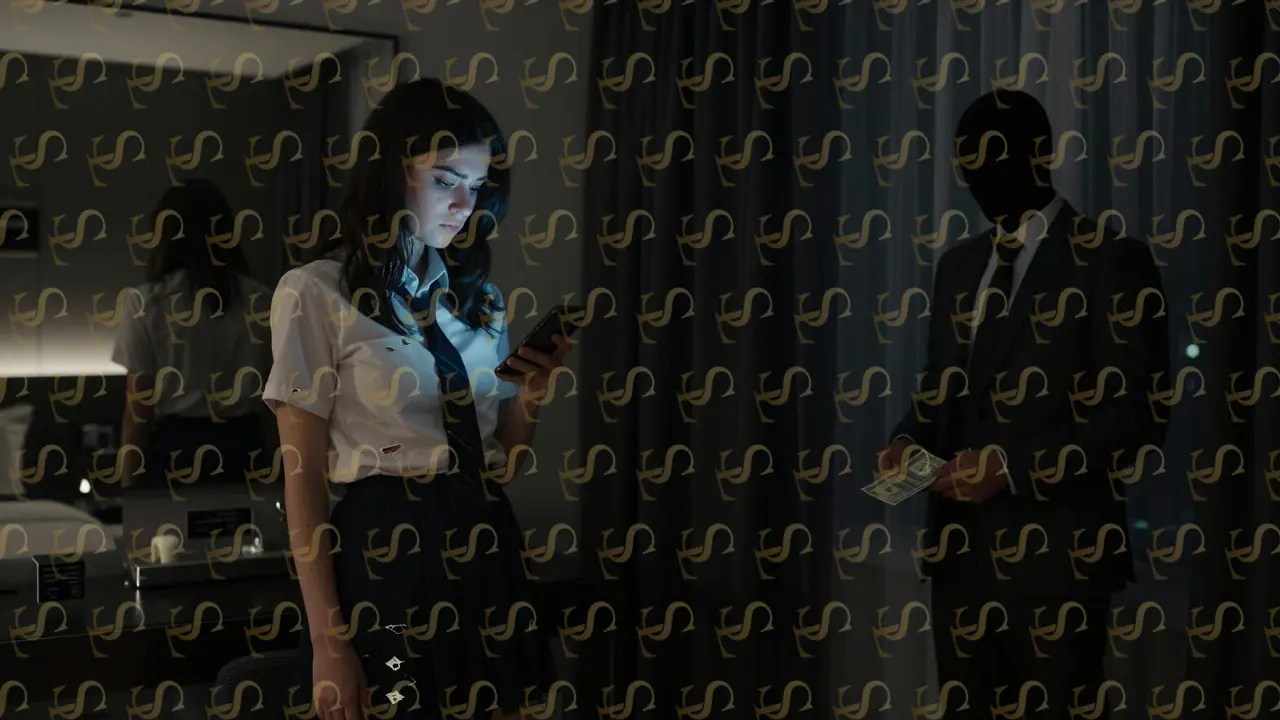

When you hear the phrase “no limits” in the context of the UAE VIP scene, most people imagine luxury yachts, private jets, and champagne-filled suites. But for those who live inside the world of The Porn Star Experience (PSE), “no limits” means something far more dangerous, more illegal, and far more personal.
The UAE has some of the strictest laws in the world when it comes to pornography, sexual content, and public morality. Possessing or distributing adult material can lead to jail time, deportation, or both. Yet beneath the surface of Dubai’s five-star hotels and Abu Dhabi’s exclusive clubs, a hidden economy thrives-one built on anonymity, discretion, and a dangerous promise: “We can make anything happen.”
What Is The Porn Star Experience (PSE)?
The Porn Star Experience (PSE) isn’t a company you can find online. It doesn’t have a website, a social media page, or a customer service line. It’s a private network, whispered about in backroom conversations, passed along through encrypted apps, and paid for in cryptocurrency. Clients don’t book a date-they request a scenario. A fantasy. A performance.
Think of it as high-end roleplay, but with real people who’ve been vetted, trained, and pressured into playing roles that blur the line between fantasy and exploitation. Some are models. Some are dancers. A few have backgrounds in entertainment or fitness. But they’re all told the same thing: “You’re not here to be yourself. You’re here to become someone else.”
There’s no contract. No paperwork. No legal protection. Just a handshake, a cash deposit, and a silence agreement written in blood-figuratively, but sometimes literally.
“No Limits” Isn’t a Marketing Tagline-It’s a Trap
When clients say they want “no limits,” they’re not asking for variety. They’re asking for taboo. For power. For control. And the PSE delivers-because the people behind it know exactly what sells.
One former performer, who spoke anonymously after leaving the scene, described a typical request: “A client wanted me to act like a student who got caught cheating. Then he wanted me to pretend I was being interrogated by police. Then he wanted me to cry while he filmed it. He said, ‘I paid for no limits.’ I didn’t have a choice.”
The “no limits” label isn’t about freedom. It’s about removing boundaries-both legal and ethical. And in the UAE, where surveillance is everywhere and consent is rarely documented, that’s a recipe for disaster.
There’s no such thing as “safe” in this world. Even if you’re inside a private villa with blackout curtains and a security team outside, you’re still breaking the law. And if something goes wrong-health issue, emotional breakdown, leaked footage-you’re on your own.
The Hidden Infrastructure Behind the Scenes
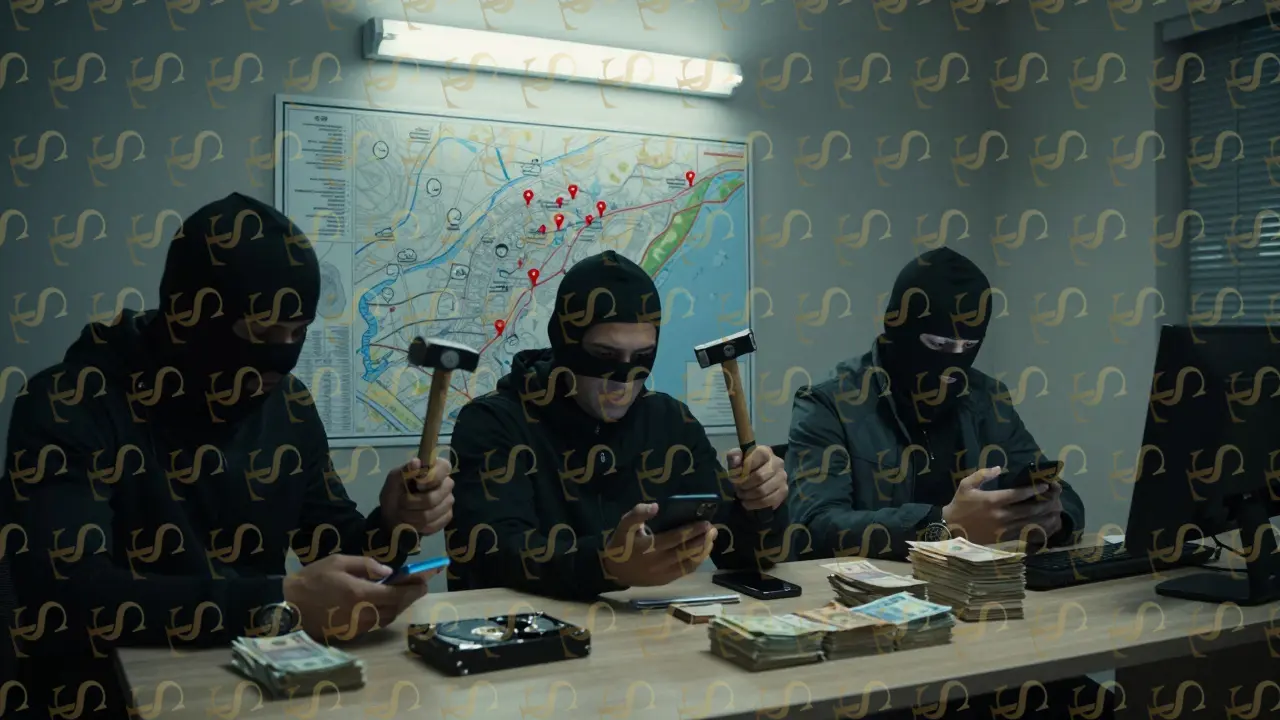
Behind every PSE session is a small but highly organized team. There’s the recruiter-usually someone who used to be in the scene themselves. There’s the logistics coordinator who arranges the location, the cleaning crew, and the disposal of any recording devices. There’s the medical liaison who arranges STI tests (always done privately, always paid in cash), and the “cleanup” specialist who ensures no digital trace remains.
They use burner phones, encrypted messaging apps like Telegram and Signal, and temporary apartments rented under fake names. Some sessions happen in hotel suites booked with stolen credit cards. Others take place in private villas owned by offshore shell companies.
And here’s the chilling part: many of these locations are within walking distance of police stations. The performers know this. The clients know this. But they all believe they’re invisible.
They’re not.
Who Are the People Behind the Scenes?
The performers aren’t celebrities. They’re not even well-known models. Most are young, from Eastern Europe, Southeast Asia, or Latin America-countries with high unemployment and weak social safety nets. They’re told they’ll earn $10,000 for a single weekend. Some do. Most don’t.
One woman from Ukraine, who left the scene after two months, said: “They said I’d be treated like a queen. Instead, I was treated like a tool. I had to perform 14 sessions in 72 hours. I was told if I refused, I’d be reported to immigration.”
There’s no union. No labor rights. No way to sue. If you speak out, you risk being deported-or worse. In 2024, two performers were arrested in Dubai after a client’s phone was hacked. Both were held for 11 days before being deported without trial.
The Client Side: Who’s Really Paying?
It’s easy to assume these clients are wealthy businessmen or tech moguls. But the truth is more disturbing. Many are middle-aged men from Gulf countries who’ve never had real intimacy. Others are foreign workers with disposable income-engineers, contractors, pilots-who see this as a way to feel powerful.
Some are repeat customers. They build relationships with specific performers, even though they’re told it’s “just business.” One client, identified only as “Ahmed,” reportedly paid over $120,000 in six months. He kept a photo album of each session. When he was arrested in 2025, police found 278 videos on his encrypted drive.
And here’s the twist: many of these clients have no idea they’re breaking the law. They think, “It’s private. It’s consensual. It’s just entertainment.” But in the UAE, consent doesn’t matter if the act is illegal. And pornography? It’s illegal. Full stop.
The Legal Reality: You Can’t Hide Forever
The UAE’s cybercrime law is unforgiving. Article 21 of Federal Law No. 5 of 2012 states that anyone caught producing, distributing, or possessing pornographic material faces a minimum of six months in prison and a fine of up to AED 500,000 (about $136,000). Repeat offenders can be deported and permanently banned.
But enforcement isn’t random. Authorities monitor encrypted networks. They track cryptocurrency transactions. They use facial recognition in luxury hotels. And they’ve partnered with international agencies to identify foreign clients.
In early 2025, a joint operation between Dubai Police and Interpol shut down three major PSE networks. Over 80 people were detained. Of those, 34 were deported. Five were sentenced to prison. And the network’s leader? He vanished-but not before leaving behind a single USB drive with names, dates, and payment records.
Why This Isn’t Just “Lifestyle”-It’s Exploitation
Some try to frame PSE as part of the “luxury lifestyle”-a dark, edgy extension of Dubai’s hedonistic reputation. But that’s a lie.
This isn’t about freedom. It’s about control. It’s about money. It’s about people being used because they have no other options.
There’s no glamour here. No red carpets. No interviews. Just fear. Pressure. Isolation. And the constant threat of being erased.
The UAE doesn’t have a porn industry. It has a shadow economy built on silence. And “no limits”? It’s the slogan used to make people forget they’re being exploited.
What Happens If You Get Caught?
If you’re a performer and you’re caught, you’ll be detained. Your passport will be confiscated. You’ll be interrogated. You’ll be offered a deal: leave the country now, or face trial. Most take the deal. They leave with nothing. No savings. No support. Just a scar.
If you’re a client? You’ll be arrested. Your devices will be seized. Your name will be published in official reports. Your employer will be notified. Your visa will be revoked. And if you’re from a country with extradition treaties? You might face charges back home too.
There are no second chances. Not here.
Is There Any Way Out?
Yes-but only if you speak up before it’s too late.
Organizations like the International Labour Organization and local NGOs have quietly set up hotlines for those trapped in this system. These aren’t publicized. You won’t find them on Google. But they exist. And they offer legal help, safe housing, and relocation.
One former performer now works with a nonprofit in Amsterdam. She says: “I thought I was choosing freedom. But I was just trading one cage for another. I wish someone had told me there was another way.”
If you’re reading this and you’re involved-whether as a performer, a client, or someone who knows someone who is-there’s still time. The system is brutal, but it’s not invincible. Silence keeps it alive. Speaking up? That’s how it dies.
Is The Porn Star Experience (PSE) legal in the UAE?
No. The Porn Star Experience (PSE) and any form of pornography or sexually explicit performance is strictly illegal in the UAE. Under Federal Law No. 5 of 2012, producing, distributing, or participating in such activities can lead to imprisonment, heavy fines, deportation, and permanent bans. Even private, consensual acts are not protected under the law.
Who typically participates in PSE sessions?
Performers are often young individuals from countries with limited economic opportunities-Eastern Europe, Southeast Asia, and Latin America. They’re recruited with promises of high pay and luxury treatment, but end up in exploitative situations with no legal protection. Clients are usually wealthy locals or foreign residents with disposable income, many of whom believe their privacy protects them from consequences.
How do PSE networks operate without getting caught?
They rely on encrypted communication, cash payments, burner devices, and temporary locations rented under false identities. Sessions are held in private villas or hotel suites with no digital traces left behind. But despite these precautions, UAE authorities have increasingly used facial recognition, cryptocurrency tracking, and international cooperation to identify and shut down these networks.
What happens if someone is caught in a PSE session?
Both performers and clients face arrest. Performers are usually detained, interrogated, and deported without trial. Clients face criminal charges, asset seizure, visa revocation, and possible extradition. In 2025, over 30 people were deported and five imprisoned after a major PSE network was dismantled by Dubai Police and Interpol.
Are there resources available for those trapped in PSE?
Yes. While not publicly advertised, NGOs and international labor organizations have established confidential hotlines for those seeking help. These services offer legal assistance, safe housing, relocation support, and psychological care. Speaking up is the first step to escaping the cycle-but it requires courage, because silence is what keeps the system running.