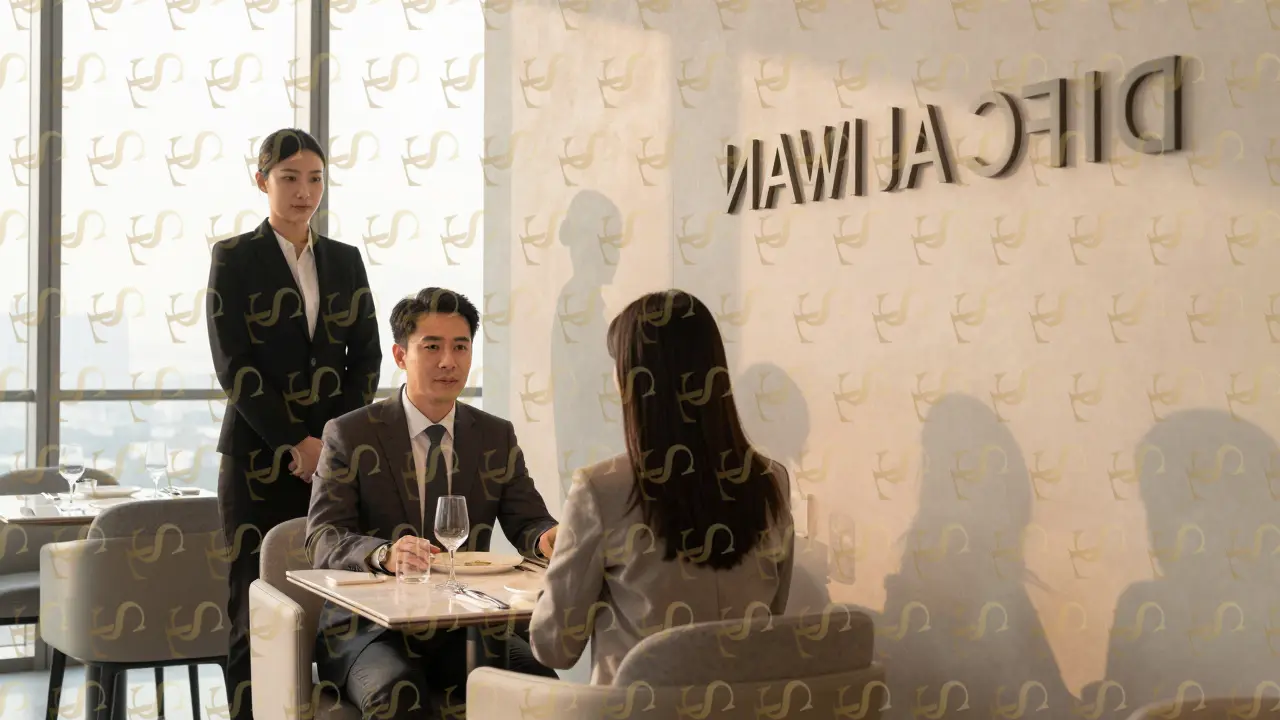

Walking into a business lunch at DIFC isn’t just about ordering food. It’s about reading the room, knowing the unspoken rules, and making every second count. If you’re bringing an escort-whether it’s a PA, a colleague, or a professional host-you’re not just adding a person. You’re adding a layer of strategy. And in a place like DIFC, where reputation moves faster than the Dubai heat, one misstep can cost you more than a missed deal.
Why DIFC Demands a Different Approach
DIFC isn’t just another business district. It’s a global hub where Emirati executives, European investors, and Asian entrepreneurs sit side by side. The lunch table here isn’t a casual break-it’s a negotiation table with napkins. The food? It’s just the cover. The real transaction happens in the pauses, the glances, the way someone holds their glass.
Forget the old-school idea that business lunches are about who eats the most expensive dish. In DIFC, it’s about who listens the most. And that’s where the escort comes in.
What an Escort Actually Does (And Doesn’t Do)
An escort isn’t a date. It’s not a bodyguard. It’s not a waiter. It’s a quiet force multiplier.
- They read the room. If the client leans back, they know to shift topics. If the CEO glances at their watch, they subtly cue the server to clear plates.
- They absorb tension. A mispronounced name? A cultural slip? An escort can laugh it off with grace, turning awkwardness into rapport.
- They don’t speak unless spoken to. The moment they try to impress, they become a distraction. Their value is in their silence.
- They don’t eat first. In many cultures, the guest eats before the host. In DIFC, the opposite is true. An escort knows this. They wait for the lead to lift their fork.
Think of them like a skilled conductor in an orchestra-no one notices them, but the whole performance falls apart without them.
The Dress Code That Speaks Louder Than Words
Wear a suit in DIFC? Good. Wear a tailored suit with a silk pocket square? Better. Wear a suit that’s slightly too tight, with a tie that’s too loud? You just lost.
The escort’s attire matters just as much as yours. If you’re in a navy three-piece and they’re in a black blazer with jeans, it looks like a mismatched team. In DIFC, cohesion signals professionalism. A well-dressed escort doesn’t try to outshine you-they reflect you.
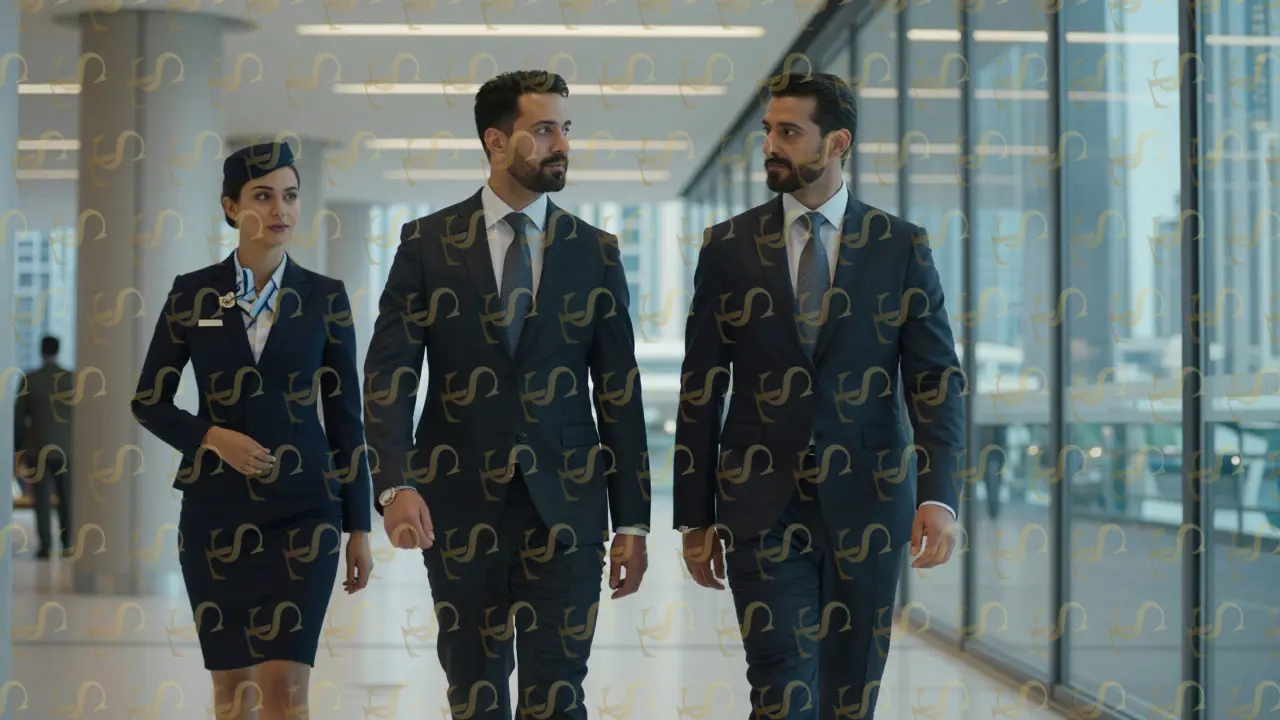
For men: dark wool, no patterns, polished oxfords. For women: knee-length tailored dresses or trousers with structured blazers. No perfume. No jewelry that jingles. The goal is to look like you belong in the same boardroom-quiet, polished, and unobtrusive.

Table Placement: Where You Sit Tells Them Everything
There’s a reason the best business lunches in DIFC happen at Al Iwan or The Ivy. It’s not just the food. It’s the layout.
The client sits with their back to the wall. That’s the seat of control. You sit across from them. Your escort? They sit to your right, slightly behind your shoulder. Not too close. Not too far. Just far enough to be invisible, close enough to catch a glance.
Never let your escort sit across from the client. That creates a triangle. And triangles create competition. In DIFC, you want a straight line: client, you, escort. It says: They’re here to support, not compete.
The Order of the Meal: Timing Is Everything
You don’t order first. You don’t order last. You order after the client has glanced at the menu and paused.
Here’s how it works:
- The client opens the conversation with a question: “What do you recommend?”
- You respond: “I’ve had the grilled sea bass here. It’s excellent.” Then you pause.
- The escort subtly nods-just once-to confirm your choice. No words.
- The client says: “I’ll have that too.”
- You say: “Then I’ll follow.”
This isn’t about being polite. It’s about signaling that you’re in sync. The escort’s nod isn’t a cue to order-it’s a signal to the client that you’ve done your homework.
And never, ever order alcohol unless the client does. In DIFC, even in a free zone, the rules of modesty still apply. If they order a glass of wine, you can follow. If they don’t? Stick to sparkling water with lime. Your escort will know to do the same.
The Silent Signals: How to Read the Unspoken
At the end of lunch, the client doesn’t say: “Let’s close the deal.” They say: “I’ll be in touch.”
But how do you know if that’s real?
Your escort is your sixth sense. They notice:
- The way the client’s hand lingers on the check after the bill arrives-signs of hesitation.
- If they glance at their phone three times after you mention your timeline-signs of disinterest.
- If they ask about your family, not your company-signs of trust.
Your escort doesn’t need to say anything. But if you ask them quietly after lunch: “What did you notice?”-they’ll give you the truth you can’t hear at the table.
What Not to Do
Don’t bring your escort to introduce themselves. Ever. You’re not at a networking event. You’re in a meeting.
Don’t let them answer questions directed at you. Even if they know the answer.
Don’t let them take notes. That’s your job-or your PA’s. An escort doesn’t document. They observe.
And don’t tip them. If they’re a professional, they’re paid. If they’re a colleague, tipping is inappropriate. In DIFC, a thank-you note sent the next day means more than any cash.
When the Escort Is Your Colleague
Not everyone can afford a professional escort. But you can still use the same strategy with a trusted team member.
Train them. Tell them: “You’re not here to speak. You’re here to watch. If I say ‘Tell me about the pricing,’ you know I’m asking for help. If I pause after the wine is poured, you know I’m waiting for you to signal the server.”
The best colleagues in DIFC aren’t the loudest. They’re the ones who know when to be invisible.
Final Rule: The Real Deal Is Made After Lunch
The lunch isn’t the deal. It’s the setup. The real conversation happens in the car ride back, or the coffee the next morning. That’s when you say: “You know, what you said about the delivery timeline-that’s exactly what we need. Let’s draft something.”
And if you’ve done it right? Your escort will have already noticed the client’s body language, the slight smile when you mentioned the project deadline, the way they didn’t check their phone once.
That’s the art. Not the food. Not the suit. Not even the escort.
It’s the quiet understanding that every detail, every pause, every glance-you noticed it. And that’s what made them trust you.