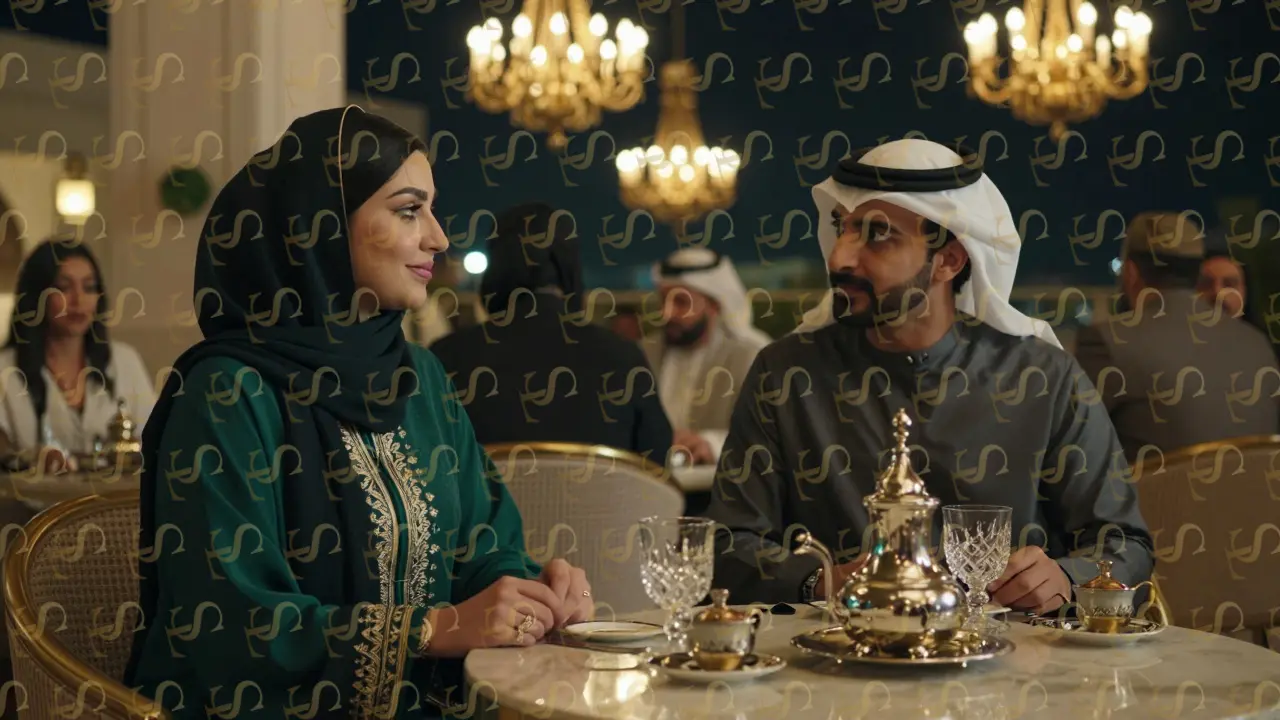

When you think of Dubai, you think of luxury, ambition, and a culture where appearances matter. Corporate banquets here aren’t just dinners-they’re high-stakes networking events where the right presence can open doors that money alone can’t. And in recent years, a quiet but growing trend has emerged: companies hiring professional companions-often called “plus ones”-to accompany executives to these events.
This isn’t about romance. It’s about strategy. In a city where business relationships are built over caviar and champagne, having someone who can carry a conversation, read the room, and reflect the polished image of the company matters more than you’d think. These aren’t party girls or guys in fancy dresses. They’re trained professionals with backgrounds in diplomacy, hospitality, or even corporate communications. They know how to navigate Emirati business customs, when to speak, when to listen, and how to make a client feel like the most important person in the room.
It’s not illegal. But it’s not talked about openly either. Most firms use third-party agencies that vet candidates for discretion, language skills, and cultural awareness. The agencies don’t advertise on Google. They operate through referrals, LinkedIn connections, and word-of-mouth among senior partners. The clients? Usually multinational firms with Middle East operations-oil and gas, tech startups expanding into the Gulf, luxury brands launching in the region. They’re not trying to hide anything shady. They’re trying to avoid awkwardness.
Imagine a CEO from Chicago attending a gala in Dubai with a group of potential investors. He’s brilliant, but he’s also introverted, talks too fast, and doesn’t know how to handle the traditional Emirati tea ceremony. His team sees the problem. Instead of sending him alone, they hire a professional companion-a woman with a degree in international relations, fluent in Arabic and English, who’s worked with Fortune 500 clients before. She sits beside him. She makes small talk with the minister’s wife. She gracefully redirects a conversation when it veers into sensitive territory. She doesn’t steal the spotlight. She makes sure he looks like he belongs.
One executive from a London-based fintech firm told me, “We didn’t hire her to be pretty. We hired her because she’s the only person in the room who knew how to respond when the host said, ‘Your son is studying in London?’-when we didn’t even have a son. She smiled, said, ‘He’s considering it-my daughter’s there now,’ and turned it into a conversation about education hubs. We closed the deal the next day.”
There’s a reason this works. Dubai’s business culture values social harmony over blunt transactions. A handshake means more than a contract draft. A shared joke can override a price objection. And if you’re the only person at the table who doesn’t know how to respond to a compliment about your “wife” or “partner,” you look out of touch. That’s where the plus one comes in.
These professionals are hired for specific events-annual galas, investor dinners, product launches. They’re not live-in companions. They’re not there for after-hours. They sign NDAs. They’re paid between $800 and $2,500 per event, depending on experience and duration. Some agencies offer tiered packages: basic (attire, transportation, briefing), premium (cultural coaching, media training, pre-event roleplay), and elite (former diplomats, ex-UN staff, multilingual negotiators).
The most successful ones have a background in hospitality or public relations. Many worked at five-star hotels before switching to corporate events. Others were flight attendants who learned how to read body language in first class. One woman I spoke with used to be a university debate champion. “I learned how to hold a room without dominating it,” she said. “That’s the trick. You’re not there to impress. You’re there to make the client feel like they’re the one doing the impressing.”
There’s a dark side, of course. Not every agency is legitimate. Some operate like dating apps with business cards. Others push clients toward risky situations-flirting, over-drinking, violating cultural norms. That’s where things go sideways. A few companies have been caught on social media with their “plus ones” in compromising photos. The backlash was swift. One Emirati investor publicly called it “a betrayal of trust,” and the firm lost two major contracts.
The smart ones don’t just hire a person. They hire a strategy. They brief their executives: “Don’t introduce her as your wife. Don’t call her your date. Say, ‘This is my colleague, Leila, from our regional team.’” They train them on modest dress codes. They teach them how to decline alcohol without offense. They give them talking points on local markets, not personal stories. The best ones never mention their own lives. They become mirrors.
Some firms now include this in their official hospitality budget. It’s listed under “Client Experience Enhancement.” Others quietly slip it into “travel and entertainment.” The accounting department doesn’t ask questions. The legal team reviews the contracts. HR doesn’t get involved. It’s a silent line item.
Is this ethical? That’s the question no one asks out loud. In the U.S., hiring a date for a conference would raise eyebrows. In Dubai, it’s just another tool in the toolbox. The line isn’t drawn by law-it’s drawn by culture. And in a place where reputation is currency, sometimes the most valuable asset isn’t the product you sell. It’s the person who helps you look like you belong.
There’s no official data on how many companies do this. But if you talk to enough event planners in Dubai, you’ll hear the same phrase: “If you’re serious about closing deals here, you’re already doing it. You just don’t know it yet.”
What These Professionals Actually Do
They’re not there to flirt. They’re not there to be seen. Their job is to reduce friction. Here’s what a typical day looks like:
- Receive a briefing packet: client’s name, company, recent news, cultural background, known preferences (e.g., avoids red wine, hates small talk about politics)
- Attend a 30-minute coaching session: how to respond to traditional Emirati hospitality rituals, correct use of honorifics, appropriate gestures
- Dress according to venue standards: no low-cut tops, no jeans, no perfume (many venues ban strong scents)
- Arrive 90 minutes early to observe the room, learn names, note who’s influential
- Engage in light conversation with guests, never interrupting the client’s dialogue
- Steer conversations away from sensitive topics: religion, politics, personal finances
- Exit quietly after the event, no photos, no social media
The most skilled ones can make a room feel like a family gathering-even when everyone’s there for business.
Who Hires Them?
This isn’t just for CEOs. It’s for:
- Senior engineers from Silicon Valley attending their first Gulf summit
- Marketing directors from Europe who don’t speak Arabic
- Young founders who are nervous around older Emirati investors
- Women executives who are often assumed to be “the assistant” and need someone to reinforce their authority
One tech startup from Berlin sent their female founder to a Dubai pitch night. She was 28, dressed in a sharp blazer, and spoke flawless English. But the investors kept asking, “Where’s your husband?” She didn’t know how to respond. The company hired a plus one for the next meeting. The woman who came-50, former ambassador’s spouse, calm voice, sharp wit-sat beside her. When asked the same question, she said, “She’s married to her mission. And it’s growing faster than any of us expected.” The investors laughed. Then they invested.
The Risks
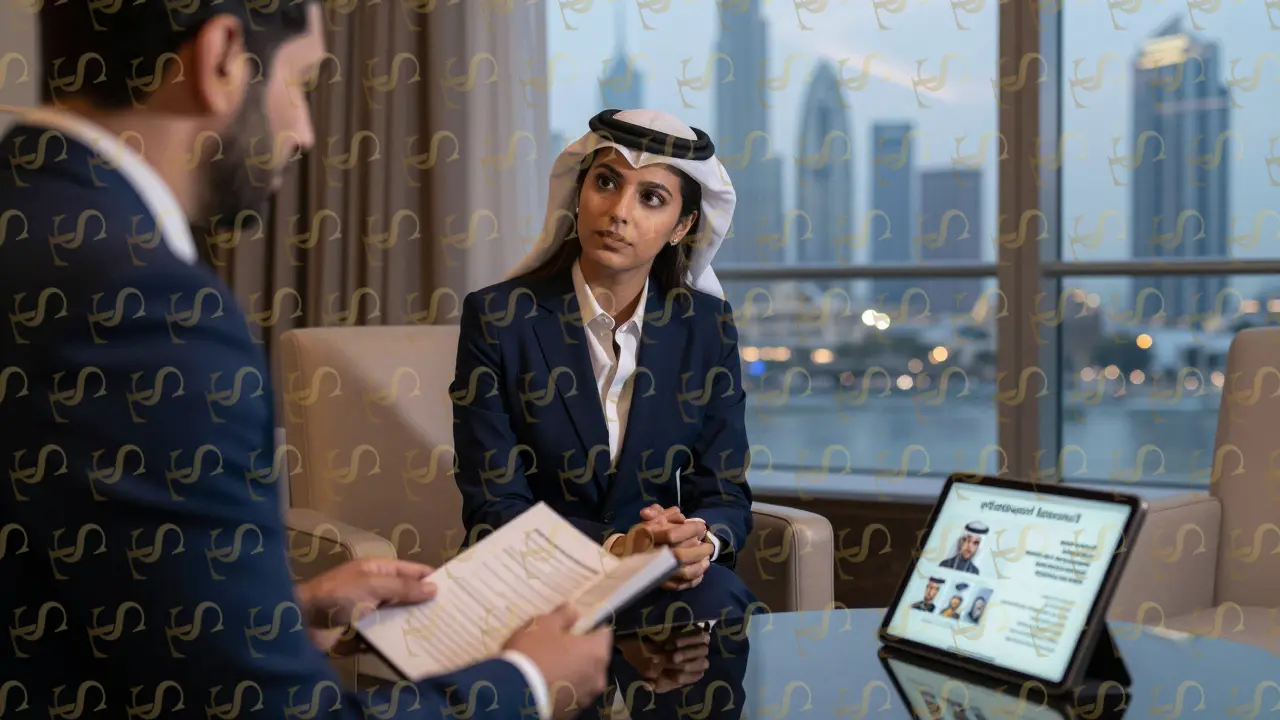
Not every hire works out. The biggest risks:
- **Cultural missteps**-A companion who jokes about religion or mentions Israel can end a deal before dessert.
- **Overstepping**-If a companion tries to take the lead in conversation, it undermines the client’s authority.
- **Leakage**-A breach of confidentiality can destroy trust. One agency was blacklisted after a client’s financial projections were leaked to a competitor.
- **Legal gray zones**-While hiring a companion isn’t illegal, some contracts blur the line between professional services and personal relationships. Dubai’s labor laws don’t classify these roles clearly.
That’s why reputable agencies screen aggressively. They check references. They run background checks. They require proof of prior corporate work. And they never, ever allow clients to take photos.

How to Do It Right
If you’re considering this for your company:
- **Use a vetted agency**-Don’t find someone on Instagram. Look for firms with corporate clients, not dating profiles.
- **Set clear boundaries**-Define the role in writing. No personal contact. No after-hours. No gifts.
- **Train your team**-Make sure your executives understand this isn’t a date. It’s a diplomatic tool.
- **Document everything**-Keep records of the agency’s vetting process. If questioned later, you need to show due diligence.
- **Respect local norms**-Dress codes, gender interactions, and public behavior matter more here than anywhere else.
There’s no shame in this. In fact, the companies that do it well are the ones that win the deals others lose.
Why This Works in Dubai-and Not Elsewhere
In New York, hiring a date for a networking event would look desperate. In Tokyo, it might be seen as disrespectful. In Dubai, it’s practical. The city’s economy runs on relationships, not spreadsheets. And relationships here aren’t built over Zoom. They’re built over shared meals, slow tea, and quiet moments of mutual understanding.
The plus one isn’t a replacement for authenticity. It’s a bridge to it. For someone who doesn’t know how to pour tea without spilling, or how to say “Inshallah” without sounding fake, a professional companion can be the difference between a handshake and a contract.
It’s not about deception. It’s about competence.