
When it comes to gifting in Dubai, especially for companionship arrangements, the line between thoughtful and inappropriate is razor-thin. Many people assume that a luxury bag or designer item is the safest, most respectful option. Others swear by the simplicity of a cash envelope. But here’s the truth: neither works unless you understand the cultural and social context behind the gesture.
Why Gifting in Dubai Is Different
Dubai operates under a unique blend of traditional Arab values and ultra-modern luxury culture. Public displays of affection are restricted, and personal relationships-especially those involving payment-are closely watched. Gifting isn’t just about generosity; it’s a social signal. A poorly chosen gift can be seen as disrespectful, overly forward, or even offensive.Unlike Western cultures where a gift often symbolizes appreciation or romance, in Dubai, gifts carry weight in terms of status, discretion, and implied expectations. The wrong choice can imply you’re trying to buy affection, not honor a connection.
Cash Envelopes: The Unspoken Standard
In practice, cash envelopes are the most common and widely accepted form of gifting among Dubai-based companions. Not because it’s cold or impersonal, but because it’s practical, discreet, and gives the recipient full control.Many women in this space prefer cash because it allows them to manage their own expenses-whether it’s paying for a medical appointment, covering a family obligation, or saving for a future trip. It’s not about the money itself, but the autonomy it provides.
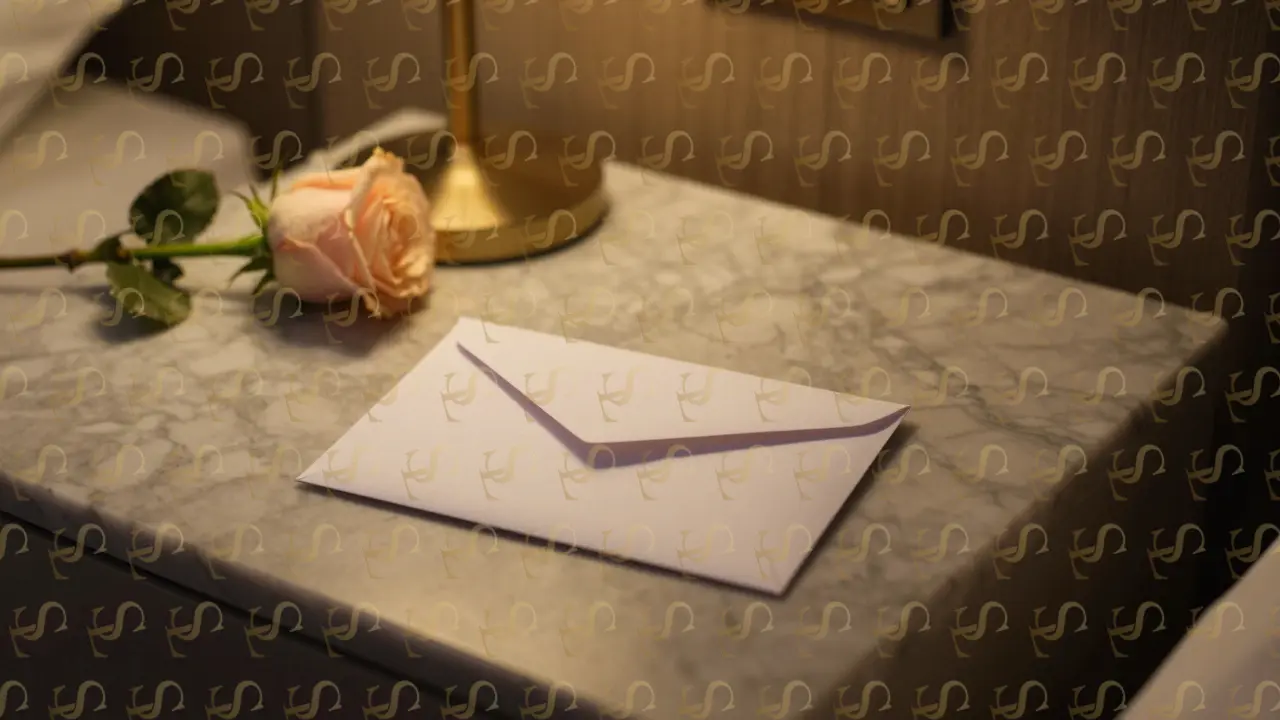
A typical cash envelope is presented in a simple, elegant envelope-often white or cream-with the amount clearly written on the front. It’s handed over privately, sometimes with a quiet thank you or a small note. No fanfare. No witnesses. No photos. The gesture is meant to be private, not performative.
According to local sources familiar with the scene, 7 out of 10 women in Dubai’s escort industry report receiving cash as their primary form of appreciation. Why? Because it avoids awkwardness. A designer bag might look impressive, but what if she doesn’t like the color? What if she already owns three of the same model? Cash never has that problem.
Luxury Bags: The Risky Showpiece
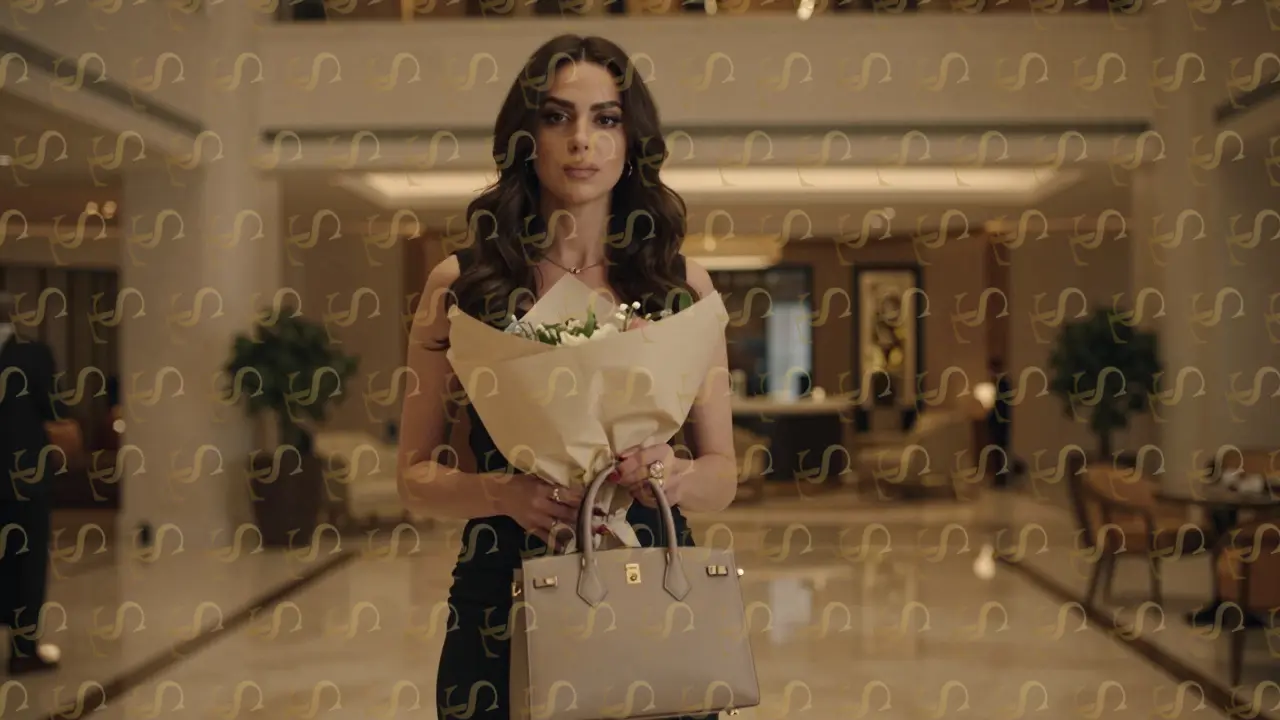
A Louis Vuitton Neverfull or a Chanel 2.55 might seem like the ultimate gift. But in Dubai, luxury items carry baggage-literally and figuratively.First, there’s the issue of authenticity. Dubai has one of the highest rates of counterfeit luxury goods in the world. If you give a bag that turns out to be fake, it’s not just an insult-it’s a public embarrassment. Many women have been asked to show proof of purchase at upscale boutiques, only to be turned away when their receipt doesn’t match the store’s records.
Second, there’s the social risk. If someone sees you handing over a designer bag in public-even at a hotel lobby-it raises questions. Dubai’s social media landscape is active. Someone might snap a photo. Someone might post it. And suddenly, your private arrangement becomes a topic of gossip.
Third, there’s the issue of maintenance. A luxury bag isn’t just a gift-it’s a responsibility. It needs cleaning, storage, insurance. Many women don’t have the time or space to care for high-maintenance items. A cash envelope? It’s spent, saved, or invested-no upkeep required.
That said, there are exceptions. If you’ve built a long-term, trusted relationship over months or years, and you know the person’s tastes intimately, a luxury item can work. But even then, it’s usually paired with cash-not instead of it.
The Cultural Code: What Not to Do
Here are a few hard rules that almost everyone in Dubai’s social scene follows:- Never gift in public. Even if you think you’re being romantic, you’re risking exposure. Always deliver gifts in private, preferably during a quiet moment after a dinner or at the end of a private meeting.
- Avoid branded packaging. If you’re giving a bag, remove the box and tags. A simple, unmarked cloth bag or tissue paper is more respectful than a flashy LV box.
- Don’t ask for photos. If you want to remember the moment, take a photo of yourself-not her. Asking for a picture with the gift is a red flag. It turns a private gesture into a social media post.
- Don’t over-gift. A single, well-timed gift is more meaningful than multiple expensive ones. Consistency matters more than cost.
- Never combine cash and a bag in the same envelope. It sends mixed signals. Is this a gift? A payment? A bribe? Keep it clean: one form, one meaning.

What Works Better Than Both
Some of the most appreciated gestures in Dubai aren’t gifts at all-they’re experiences.Booking a private spa day, arranging a helicopter tour at sunset, or securing front-row tickets to a concert she’s mentioned liking? These leave a lasting impression. They show you listened. They show you paid attention.
One woman in Dubai told a friend: “I’ve received $10,000 in cash. I’ve received $20,000 in bags. But the one thing I still remember? The night you took me to that rooftop restaurant I’d been talking about for weeks. You didn’t say a word. You just showed up with the reservation.”
Experiences don’t have resale value. They don’t get stolen. They don’t attract gossip. They’re yours alone.
The Bottom Line
Cash envelopes win because they’re simple, safe, and respectful. Luxury bags can backfire-unless you know exactly what you’re doing.If you’re unsure, go with cash. Present it in a clean envelope. Hand it over quietly. Say nothing extra. Let the gesture speak for itself.
If you want to go beyond cash, plan an experience-not an object. A memory lasts longer than a logo.
In Dubai, the most powerful gift isn’t the most expensive one. It’s the one that shows you understand the unspoken rules-and you respect them enough to follow them.