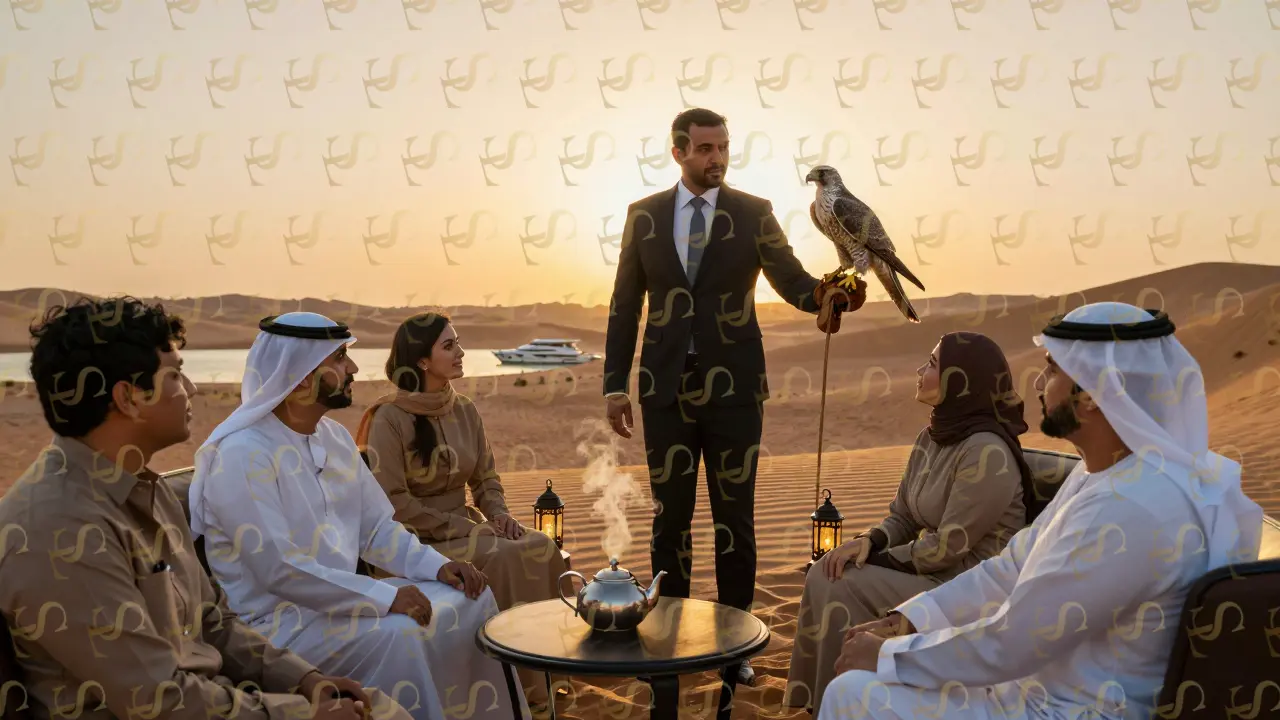

When Asian investors fly into Dubai looking for real estate, tech startups, or private equity opportunities, they’re not just checking financial statements. They’re evaluating people. The deal doesn’t close in a boardroom-it closes over dinner, at a rooftop lounge, or during a desert sunset drive. That’s where elite corporate companions step in.
Why Asian Investors Need More Than Just a Translator
Many assume that language barriers are the biggest hurdle when closing deals with investors from China, India, Singapore, or Malaysia. But the real challenge is cultural nuance. A Chinese investor might not say no outright, but a missed tea ceremony or a dinner that starts too late can signal disrespect. An Indian investor may expect multiple rounds of hospitality before even discussing numbers. A Japanese executive might value silence over small talk. These aren’t just preferences-they’re decision triggers.
Corporate companions in Dubai aren’t event planners or PR reps. They’re cultural interpreters with deep knowledge of both Middle Eastern business norms and Asian etiquette. They know that in Singapore, gift-giving is expected-but only if it’s wrapped in red or gold. They know that in Shanghai, bringing a bottle of whiskey to a meeting can be a major misstep. And they know that in Dubai, the best way to build trust isn’t through PowerPoint slides, but through shared experiences.
The Anatomy of an Elite Corporate Companion
These aren’t your typical hostesses or assistants. Elite corporate companions in Dubai are often former diplomats, luxury hotel managers, or ex-investment bankers who left corporate life for something more personal. They speak Mandarin, Hindi, Bahasa, and Arabic fluently. They’ve dined in the private rooms of Beijing’s most exclusive clubs and been invited to weddings in Kerala. They know which restaurants in Jumeirah serve authentic dim sum, which chalets in Al Qudra have the best stargazing views, and which private yachts allow guests to bring their own tea sets.
They don’t just schedule events-they craft moments. A typical day might start with a private tour of the Burj Khalifa at sunrise, followed by a quiet lunch at a hidden courtyard restaurant in Al Fahidi where the owner serves homemade Kashmiri lamb curry. Later, they arrange a falconry experience in the desert-not as a tourist attraction, but as a symbolic gesture: the falcon, in Emirati culture, represents patience, precision, and loyalty. The investor doesn’t just see a show. They feel understood.
What Happens When You Get It Wrong
One U.S.-based investment firm sent a team to Dubai to meet a group of Malaysian investors. They booked a high-end steakhouse, ordered whiskey on the rocks, and scheduled a 90-minute meeting right after dinner. The investors left early. The deal collapsed.
Why? In Malaysia, meals are sacred. Eating together isn’t about calories-it’s about connection. The investors expected a multi-hour, multi-course dinner with tea served three times. They wanted to hear stories, not pitch decks. The firm didn’t realize that in their culture, rushing the meal meant rushing the relationship.
Another firm tried to impress Chinese investors by giving them Rolex watches as gifts. Big mistake. In China, expensive gifts can look like bribes. The investors returned them. The firm lost credibility.
Elite corporate companions prevent these blunders. They know that in Japan, a modest gift of high-quality tea is more valuable than a diamond. In India, it’s not about the price-it’s about the packaging. A beautifully wrapped box of saffron from Kashmir speaks louder than a branded pen.

The Dubai Advantage: Where Cultures Collide-And Connect
Dubai is one of the few places on earth where a Chinese investor, an Emirati banker, and a Singaporean tech founder can sit at the same table and feel at home. The city doesn’t force anyone to adapt. It offers spaces where multiple traditions coexist.
That’s why elite corporate companions thrive here. They don’t try to make Asian guests feel like locals. They make locals feel like hosts. They arrange private iftars during Ramadan for Muslim investors, while also ensuring vegetarian menus for Hindu guests. They know that in Dubai, the best business environment isn’t the most luxurious-it’s the most respectful.
At the top-tier clubs in Downtown Dubai, corporate companions don’t just serve drinks. They read the room. They notice when an investor from Seoul glances at a calligraphy piece on the wall and quietly mention the artist’s background. They adjust the lighting when a group from Mumbai prefers soft candlelight over bright LEDs. They remember that one investor always takes a nap after lunch-and they make sure the car waits outside with the AC on.
Real Results: Deals Closed, Not Just Signed
In 2025, a Dubai-based firm helped a group of 12 investors from Guangzhou secure a $450 million property portfolio across Dubai Hills and Dubai Marina. The deal didn’t happen because of interest rates or tax incentives. It happened because the corporate companion arranged a private visit to the Al Maktoum Heritage House, where the investors were shown traditional Emirati embroidery techniques-and then given hand-stitched scarves made by the same artisans who worked on royal family garments.
Another deal, worth $280 million, was sealed after a three-day trip to the Hatta Mountains. The investors weren’t shown a single financial report. Instead, they were invited to cook traditional Emirati harees with a local chef, then sit under the stars listening to a live oud performance. One investor later said: “I didn’t sign the contract because I liked the numbers. I signed because I felt like I belonged.”

How to Find the Right Companion
Not every luxury concierge service offers this level of cultural intelligence. The best corporate companions in Dubai are rarely advertised. They’re recommended by word of mouth-from one investor to another, from one family office to another.
If you’re looking for one, ask:
- Have they worked with investors from your specific country before?
- Can they name three traditional dishes from your region and explain their cultural significance?
- Do they have access to private venues that aren’t listed on Google Maps?
- Have they ever canceled a planned event because they sensed the investor needed quiet time?
The top 5% of these professionals charge $5,000-$15,000 per engagement. But they don’t work by the hour. They work by outcome. If the deal closes, they’re paid. If it doesn’t, they don’t get paid. Their incentives are aligned with yours.
The Future of Business in Dubai
As Asian investment into Dubai grows-projected to hit $12 billion annually by 2027-the demand for elite corporate companions will only rise. This isn’t about luxury. It’s about trust. In a world where AI can draft contracts and algorithms can predict market trends, the one thing machines still can’t replicate is emotional intelligence across cultures.
The future belongs to those who understand that business isn’t about what you say. It’s about what you make someone feel.
What exactly do elite corporate companions do in Dubai?
Elite corporate companions in Dubai act as cultural bridges between Asian investors and local business environments. They don’t just organize events-they craft meaningful, personalized experiences that align with the values, traditions, and unspoken expectations of each investor. This includes arranging private dinners with authentic regional cuisine, selecting culturally appropriate gifts, managing timing and pacing of meetings, and ensuring emotional comfort throughout the visit. Their role is to remove cultural friction so trust-and ultimately, deals-can form naturally.
Are corporate companions the same as hostesses or escorts?
No. Elite corporate companions are not hostesses or escorts. They are highly trained professionals with backgrounds in diplomacy, luxury hospitality, or international business. Their work is strictly professional and focused on facilitating successful business relationships. They are vetted, discreet, and operate within strict ethical and legal boundaries. Their value lies in their cultural expertise, not personal appearance or social interaction outside of business context.
Which Asian countries benefit most from corporate companions in Dubai?
Investors from China, India, Singapore, Malaysia, and Japan benefit the most. Each has distinct cultural expectations: Chinese investors value hierarchy and symbolic gestures; Indian investors prioritize hospitality and family inclusion; Singaporeans expect precision and efficiency; Malaysians appreciate long, relaxed meals; and Japanese investors deeply respect silence, punctuality, and subtlety. Corporate companions tailor every detail to match these expectations, which is why deals involving these groups see significantly higher closure rates when a companion is involved.
How much does hiring an elite corporate companion cost?
Fees typically range from $5,000 to $15,000 per engagement, depending on duration and complexity. Some charge a flat fee for a 3-5 day visit; others work on a success-based model-only paid if the deal closes. The most reputable firms don’t advertise publicly and are accessed through private networks, family offices, or high-net-worth advisors. The cost is often seen as an investment, not an expense, since failed deals due to cultural missteps can cost millions.
Can corporate companions help with non-real estate investments too?
Absolutely. While they’re often used in property deals, corporate companions are increasingly hired for tech startups, private equity, healthcare ventures, and renewable energy projects. Their value isn’t tied to the asset class-it’s tied to the human element. Whether an investor is considering a $10 million AI startup or a $500 million solar farm, the process of building trust remains the same: understanding, respect, and shared experience. The companion ensures that cultural context supports, rather than sabotages, the business conversation.