
Going to the Dubai World Cup isn’t just about watching horses race-it’s about stepping into one of the most exclusive social events on the planet. The race day at Meydan Racecourse draws royalty, billionaires, and global elites, all dressed to impress. If you’re bringing a high-end companion, whether it’s a partner, client, or VIP guest, getting the dress code right isn’t optional. It’s the difference between blending in and standing out-for all the right reasons.
Know the Venue: Meydan Racecourse
The Dubai World Cup takes place at Meydan Racecourse, a glittering, state-of-the-art venue that looks more like a luxury resort than a racetrack. Think marble floors, golden accents, and private skyboxes with views of the track. The dress code here isn’t casual Friday. It’s haute couture meets Arabian elegance. The crowd doesn’t just show up-they arrive.
There are three main areas: the Grandstand, the Clubhouse, and the Champions Lounge. Each has its own vibe, but the rules are consistent across all zones. No flip-flops. No tank tops. No shorts. Ever. Even on a 40°C day, the expectation is polished, refined, and intentional.
For Men: Suit Up, But Keep It Light
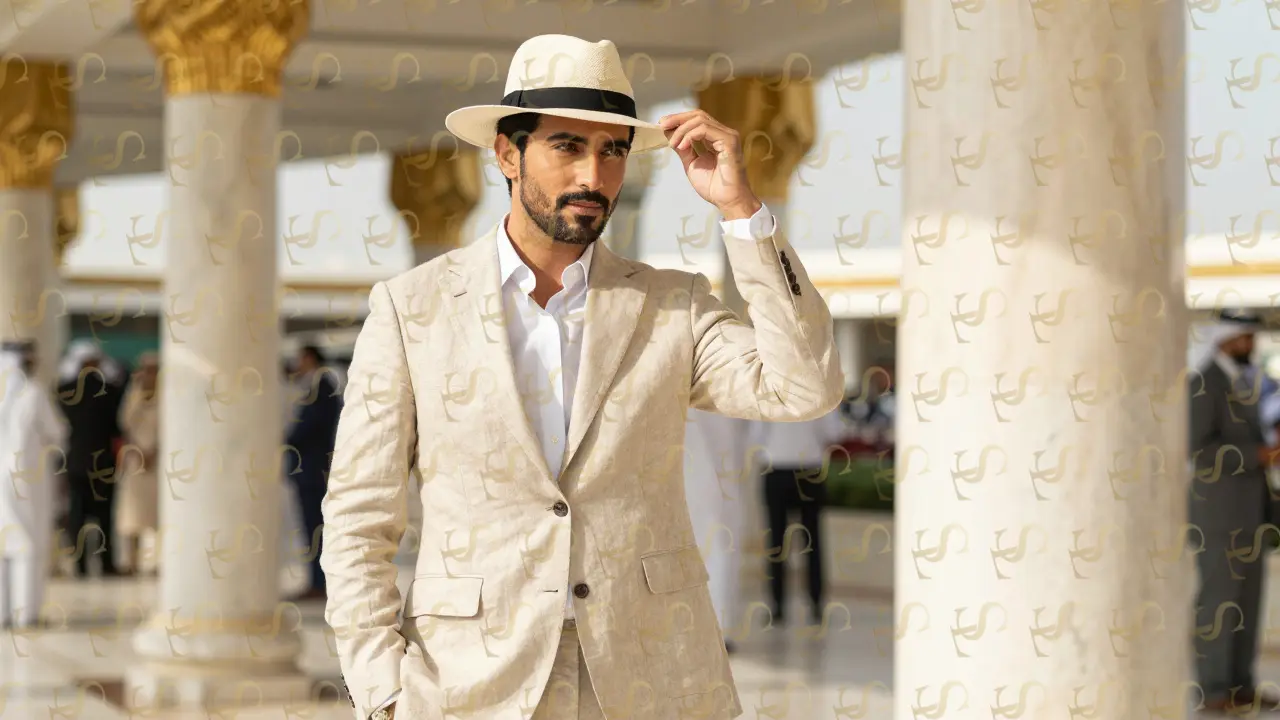
Men are expected to wear a suit. Not just any suit. A well-tailored, lightweight wool or linen blend in neutral tones-navy, charcoal, or beige. Dark suits work, but they can feel heavy under the desert sun. A single-breasted jacket with a slim fit is ideal. Skip the bow ties and tuxedos unless you’re in the Champions Lounge, where formal is the norm.
Shirts should be button-down or spread collar, tucked in, and preferably in white or light pastels. No polo shirts. No open collars without a tie. Shoes? Leather oxfords or loafers. No sneakers. No sandals. No exceptions.
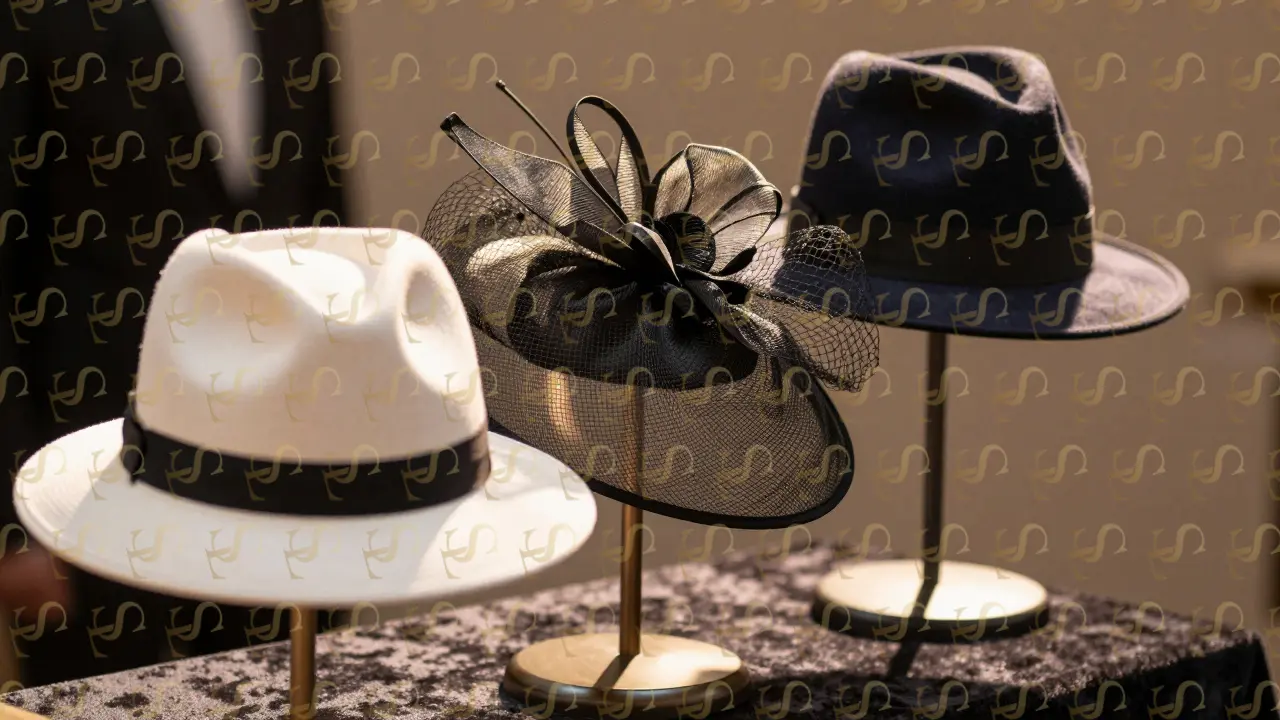
And yes, you need a hat. Not a baseball cap. Not a sun visor. A classic fedora, Panama, or trilby in natural fiber. The hat should sit slightly angled, not too forward, not too far back. It’s not just sun protection-it’s a statement. Think Cary Grant at the races. Not a tourist at the mall.
For Women: Elegance with Edge
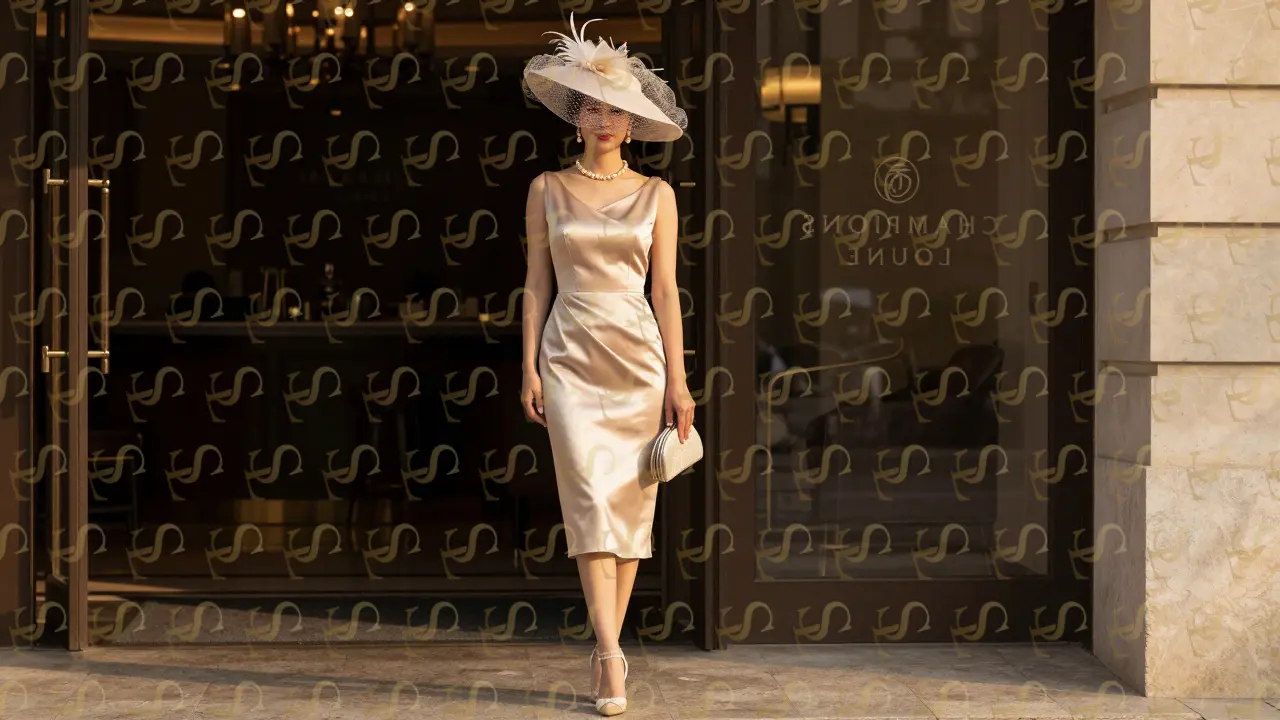
Women’s attire is where the Dubai World Cup truly shines. Think Chanel meets Dubai opulence. Floor-length or knee-length cocktail dresses in silk, chiffon, or lace are standard. Bold prints are welcome, but avoid anything too revealing-no thigh-high slits, plunging necklines, or sheer fabrics without lining.
Heels? Yes. But not stilettos that sink into the grass. A 2- to 3-inch block heel or kitten heel is the sweet spot. Bare feet? Not happening. Even in the VIP areas, sandals are frowned upon unless they’re designer and fully enclosed.
Now, the hat. This is where it gets serious. A wide-brimmed fascinator or a structured hat with feathers, veils, or subtle embellishments is expected. The bigger the hat, the better-as long as it doesn’t block someone’s view. Hats are not optional. They’re part of the culture. Women who skip hats are noticed-not in a good way.
Accessories matter. A clutch, not a tote. Fine jewelry-pearls, diamonds, or gold. Avoid loud logos. The crowd here doesn’t need to see your brand name to know you’re rich.
Why Hats Matter More Than You Think
In Dubai, hats aren’t fashion-they’re social currency. The tradition dates back to British colonial racing culture, but here, it’s been elevated into an art form. The most photographed moments at the Dubai World Cup aren’t the horses crossing the finish line-they’re the women in extravagant hats, the men with perfectly styled fedoras, and the quiet confidence that comes from dressing exactly right.
There’s a reason why milliners in Dubai have waiting lists months long before race day. Custom-made hats can cost upwards of $2,000. But even if you don’t go that far, a well-chosen hat signals that you respect the event. It says you’ve done your homework. That you’re not just there to drink champagne-you’re there to participate.
Men who skip hats look like they wandered in from a business meeting. Women without hats look like they forgot the invitation. It’s not about rules. It’s about belonging.
What Not to Wear
Here’s a quick list of fashion fails that will make you stand out for the wrong reasons:
- Denim-no jeans, no denim jackets
- Flip-flops, sandals with straps, or open-toed shoes
- Logo-heavy clothing (think Gucci, LV, or Nike logos)
- Shorts, crop tops, or athletic wear
- Baseball caps, beanies, or bucket hats
- Dark sunglasses indoors (yes, they’re banned inside the Clubhouse)
Even if you’re from a city where “smart casual” means a blazer over a t-shirt, Dubai doesn’t play that game. This is high-stakes elegance. Every detail counts.
What to Bring Beyond Clothes
It’s 35°C in March. Sunscreen is mandatory. A compact mirror and lipstick for touch-ups. A small hand fan. A phone charger. And if you’re bringing a companion, make sure they know the rules. Nothing kills the vibe faster than someone asking, “Why can’t I wear my sneakers?”
Pro tip: Book your tickets early. The best seating-especially in the Champions Lounge-sells out months ahead. And if you’re unsure about your outfit, hire a personal stylist in Dubai. Many do race-day consultations for under $200. It’s cheaper than the price of embarrassment.
The Real Secret: Confidence Is Your Best Accessory
At the end of the day, the Dubai World Cup isn’t about how much you spent. It’s about how you carry yourself. The people who look most at ease aren’t the ones in the most expensive outfits-they’re the ones who know the rules and own them.
When you walk in, you don’t need to shout. You just need to fit in. And when you do, you’ll notice something else: the quiet nods from strangers. The way the staff at the bar remember your name. The way your companion leans in and whispers, “You really know how to do this.”
That’s the magic of the Dubai World Cup. It’s not just a race. It’s a moment. And what you wear? It’s your invitation to be part of it.
Can I wear a hat without a veil or embellishment to the Dubai World Cup?
Yes. While embellished hats are common and often photographed, a clean, well-made Panama, fedora, or trilby is perfectly acceptable-especially for men. The key is quality and fit. A simple, structured hat in natural fiber signals refinement, not lack of effort. For women, a smaller fascinator or pillbox hat without a veil is also fine, as long as it’s elegant and doesn’t look like an afterthought.
Are men required to wear a tie?
No, a tie is not mandatory, but it’s strongly recommended. A silk tie or a subtle patterned neckerchief elevates the look and aligns with the event’s refined tone. If you skip the tie, your shirt must be buttoned to the top with no collar open. The absence of a tie should never mean sloppiness-it should mean intentionality.
Can I wear white after Labor Day like in the U.S.?
In Dubai, seasons don’t matter the same way. White linen suits and dresses are not just acceptable-they’re ideal for the desert climate. The “no white after Labor Day” rule doesn’t exist here. In fact, white is one of the most popular colors at the Dubai World Cup because it reflects heat and looks crisp under the sun.
Do I need to buy a new outfit, or can I rent one?
Renting is a smart option. Several luxury boutiques in Dubai offer tailored suit and dress rentals specifically for the Dubai World Cup. Prices start around $150 for a men’s suit and $200 for a women’s dress, including accessories. Many services include hat styling, shoe pairing, and even a personal concierge to help you pick the right look. It’s far more practical than buying something you’ll wear once.
What if my companion doesn’t want to wear a hat?
If your companion refuses to wear a hat, consider it a red flag. The Dubai World Cup is not just a race-it’s a cultural experience with deep social expectations. Choosing not to follow the dress code sends a message: you don’t respect the event. In this setting, conformity isn’t about oppression-it’s about belonging. If your companion isn’t willing to participate, you might want to rethink bringing them. The event is designed for those who understand its significance.
When you leave Meydan that night, you won’t remember who won the race. You’ll remember how you felt-confident, polished, and part of something bigger. That’s the real prize.