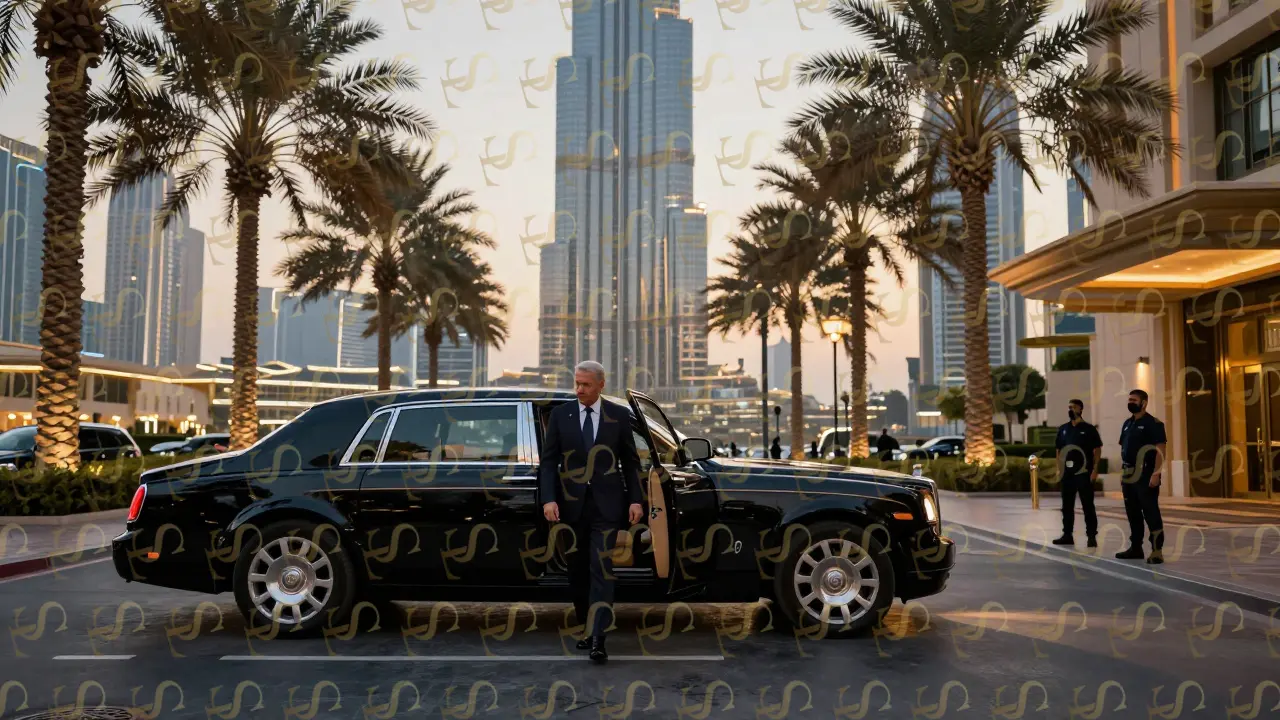

When a politician steps off a private jet in Dubai, no one asks where they’re going. No cameras follow. No press releases are issued. But behind closed doors, some public figures rely on discreet services to manage personal needs – and UAE escort agencies have become part of that quiet infrastructure.
Why the UAE? A Hub for Privacy
The UAE, especially Dubai and Abu Dhabi, isn’t just a business hub – it’s a place where privacy is engineered into the system. Strict laws protect personal data. High-end hotels offer anonymous check-ins. Security teams at luxury apartments handle visitor logs without asking questions. For politicians from countries where personal scandals can end careers, this level of control is rare.
Unlike in places where escort services are illegal or heavily policed, the UAE operates under a legal gray zone. While prostitution is technically banned, private arrangements between consenting adults – arranged through vetted agencies – are rarely prosecuted if they stay out of public view. These agencies don’t advertise online. No billboards. No Instagram profiles. Their clients find them through word-of-mouth, trusted referrals, or encrypted messaging apps.
How It Works: The Silent System
Most agencies serving high-profile clients operate like elite concierge services. They don’t offer random encounters. They offer vetted, verified, and invisible support.
- Background checks on every escort – no criminal records, no social media leaks, no ties to media outlets.
- Strict no-photography rules. Phones are stored before arrival.
- Transportation arranged through private drivers who never speak to hotel staff.
- Payment handled via cryptocurrency or offshore accounts to avoid paper trails.
- After-service debriefs: clients are asked to rate the experience, but never to leave a name.
One former employee at a Dubai-based agency, who spoke anonymously, said: “We don’t serve tourists. We serve people who have to disappear for 90 minutes and reappear as if nothing happened. A senator from Germany. A minister from Norway. A diplomat from Canada. They all want the same thing: no trace. No headlines. No tomorrow’s news.”
The Real Need: More Than Just Sex
It’s easy to assume these services are purely sexual. But for many public figures, especially those in long-term marriages or high-pressure roles, the need is deeper.
Politicians often work 18-hour days. They’re constantly watched. Their relationships are under pressure. Many turn to these agencies not for passion, but for discretion – someone who doesn’t judge, doesn’t ask questions, and doesn’t hold anything against them later.
One mid-level European politician, speaking off-record, described it this way: “I don’t need romance. I need silence. I need someone who doesn’t care if I’m tired, stressed, or emotionally drained. Someone who doesn’t expect anything beyond an hour of calm. That’s not a luxury. That’s survival.”
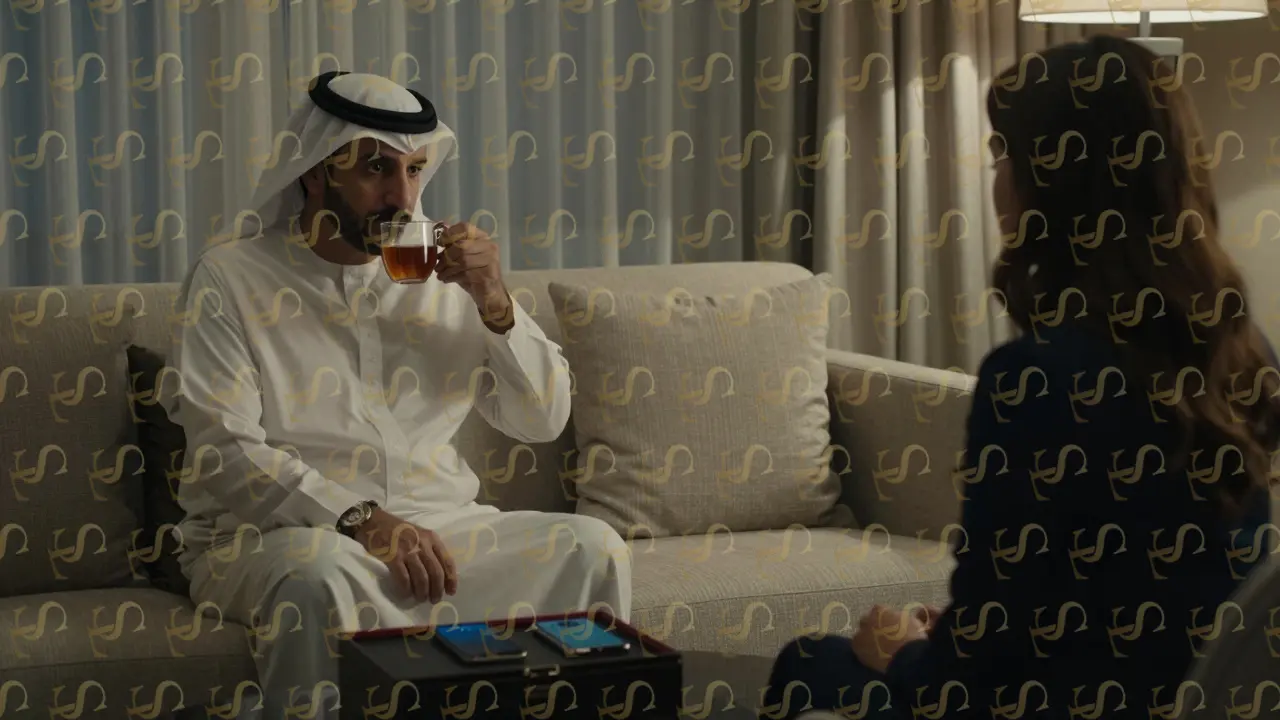
Risks: When Silence Breaks
Even the best systems have cracks.
In 2022, a senior official from a Middle Eastern country was exposed after a private video was leaked. The footage showed him at a villa outside Dubai. The agency involved shut down overnight. The escort vanished. The official resigned within 72 hours.
That incident changed how agencies operate. Now, they require biometric verification – not just ID checks – before allowing anyone into a client’s suite. Some use facial recognition to ensure the same person returns each time. Others use encrypted voice-only communication to avoid text logs.
But the biggest risk isn’t exposure. It’s emotional attachment. A few clients have tried to form lasting relationships. Those cases almost always end badly. Agencies now include mandatory disclaimers: “This is a service. Not a relationship. Not a friendship. Not a future.”
Who Uses These Services? Not Who You Think
It’s not just corrupt leaders or reckless politicians. The most common users are younger, tech-savvy officials from countries with strict social norms – like Sweden, Canada, or Germany – who are posted abroad for years.
They’re single, isolated, and under constant scrutiny. Their governments don’t offer mental health support for loneliness. So they find alternatives.
One agency manager, speaking under a pseudonym, said: “We’ve had three ambassadors from Nordic countries in the last year. None of them wanted sex. They wanted someone to sit with them while they ate dinner. Someone to listen while they talked about their kids back home. That’s not scandal. That’s human.”
The Bigger Picture: A Global Problem
This isn’t unique to the UAE. Similar systems exist in Singapore, Switzerland, and even parts of the U.S. But the UAE is the only place where the infrastructure is so seamless – where hotels, transport, and security all work together to make silence possible.
What’s troubling isn’t the existence of these services. It’s that no government talks about the emotional toll of public life. Politicians are expected to be strong, unbreakable, always on. But they’re still people. And when you’re always on display, even the smallest moment of privacy becomes priceless.
The real question isn’t whether politicians use these agencies. It’s why they feel they have to.
What Happens When They’re Caught?
Most never are. But when they are, the fallout isn’t about morality – it’s about optics.
A 2024 investigation by a European media outlet found that in the past decade, only two politicians in the EU were publicly exposed for using such services – and both were from countries with zero tolerance for personal scandals. The rest? Their names were buried. Their agencies vanished. Their stories became classified.
There’s no public record. No database. No official count. Just quiet exits, reshuffled diplomatic posts, and empty chairs at press briefings.
Final Thought: Privacy Isn’t Immoral – It’s Necessary
Public figures aren’t robots. They sleep. They get lonely. They miss their families. They need to breathe.
Using a discreet service doesn’t make someone corrupt. It makes them human.
The real scandal isn’t that these services exist. It’s that we still expect our leaders to be perfect – and refuse to give them the space to be anything less.
Are escort agencies legal in the UAE?
Technically, prostitution is illegal in the UAE. But private, consensual arrangements between adults – arranged through discreet agencies with no public advertising – are rarely prosecuted if they remain confidential. The system relies on silence, not legality.
How do politicians find these agencies?
Most are referred by trusted contacts – diplomats, hotel staff, or other officials. Agencies don’t have websites or phone numbers. Clients use encrypted apps like Signal or Wickr to make contact. Vetting is done in person, often during business trips.
Do these agencies ever leak information?
Leakage is extremely rare. Agencies that break confidentiality are shut down immediately – and often disappear overnight. Employees sign NDAs under UAE law, which carries heavy penalties. Most have worked in intelligence or security before joining these services.
Is this only for wealthy politicians?
No. While prices are high – often $500 to $2,000 per hour – many agencies offer sliding scales based on diplomatic status. Some even provide services at no cost to officials from countries with strict social policies, as part of a quiet humanitarian arrangement.
Why don’t more people talk about this?
Because the moment someone speaks out, the system collapses. Agencies, clients, and even hotel staff are bound by silence. Media outlets avoid reporting on it because they can’t verify sources – and because exposing these stories often leads to legal threats from powerful governments.