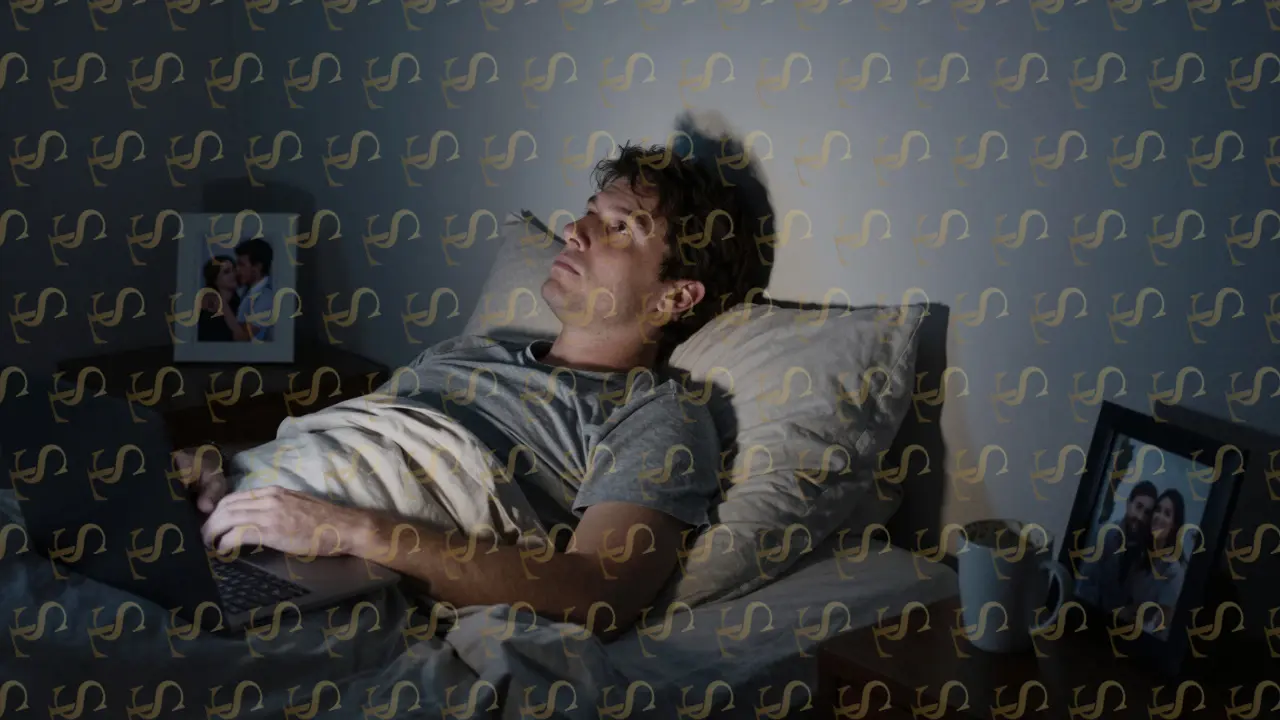

You had the perfect date. The conversation flowed like it was scripted by fate. Laughter came easy. The chemistry? Unmistakable. You walked away feeling like you’d found something rare-maybe even something real. But now, hours later, you’re lying in bed staring at the ceiling, wondering why you feel so empty. It’s not sadness. It’s not regret. It’s something quieter, heavier. This is the post-date blues.
What Exactly Are Post-Date Blues?
The post-date blues aren’t about being rejected. They’re not even about the date going badly. In fact, they show up most often after the best dates-the ones that felt like magic. You walked away thinking, This could be it. And then, silence. No text. No call. Just the echo of what could have been.
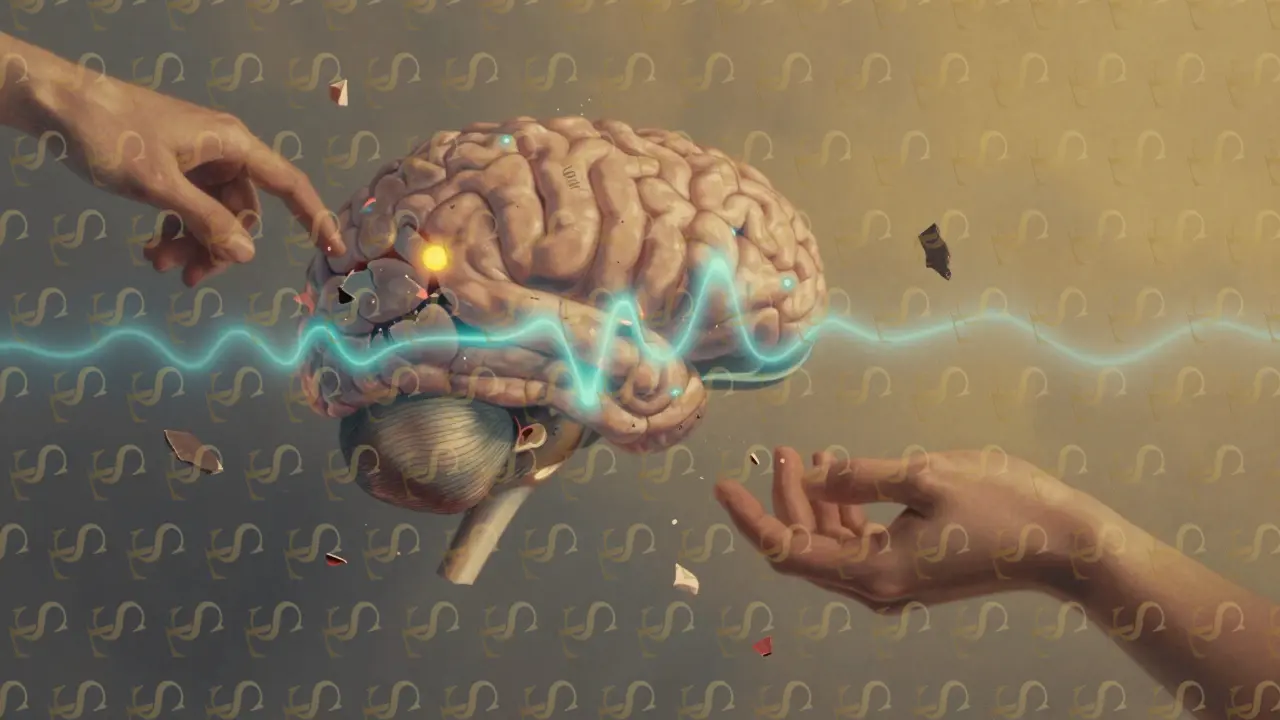
Psychologists call this an emotional hangover. It’s the brain’s way of processing a sudden spike in dopamine and oxytocin, followed by an abrupt drop. When you connect deeply with someone-even for just a few hours-your brain treats it like a reward. You’re not just enjoying the moment; you’re mentally rehearsing a future with them. When that future doesn’t materialize, your brain doesn’t know how to reset.
This isn’t just about romantic dates. It happens after perfect GFEs (Girlfriend Experience) too. The term GFE gets misused a lot. It’s not just about sex. It’s about the illusion of intimacy-eye contact that lingers, names whispered like they belong to you, laughter that feels personal. When that performance ends, and you’re left alone with your thoughts, the contrast hits hard.
Why a Perfect Date Feels Like a Loss
Here’s the cruel twist: the better the date, the worse the crash. Why? Because your brain doesn’t just remember the date. It remembers what you thought the date meant.
Studies in behavioral psychology show that humans are wired to predict outcomes. When someone makes you feel seen-truly seen-your mind starts filling in the blanks. She remembers how I take my coffee. She laughed at my dumb joke. She touched my arm when she talked. Your brain turns those moments into evidence of a connection. And then… nothing.
That’s when the blues kick in. You start replaying every second. Did I say too much? Was I too quiet? Did she mean it when she said she’d text? You’re not obsessing because you’re insecure. You’re obsessing because your brain is trying to make sense of a story that ended before it began.
It’s not about them. It’s about your own expectations. You didn’t fall for them. You fell for the version of yourself you became in their presence-the version that felt safe, wanted, alive.
The GFE Factor: Why It Hits Harder
Most people think of GFE as a transaction. But for the person paying, it’s often an emotional experiment. You’re testing whether intimacy can be bought. And sometimes, it feels real.
Think about it: a GFE provider is trained to mirror your desires. They remember your favorite movie. They ask follow-up questions. They touch you like they care. That’s not random. It’s psychology. And when it works, it feels like you’ve stumbled onto a secret: What if someone actually liked me like this?
But here’s the catch: the emotional response you feel isn’t because they’re the one. It’s because you finally let yourself be vulnerable. And when that vulnerability isn’t returned outside the session, the letdown is crushing.
One client I spoke with (anonymously, of course) described it this way: “I didn’t cry after the date. I cried because I realized I hadn’t felt this connected to anyone in years. And now I’m alone again.” That’s the real cost. Not the money. The loneliness.
How to Stop the Cycle
There’s no quick fix. But there are ways to stop the blues from turning into a pattern.
- Write it down. Don’t just ruminate. Journal. Write what happened. Write what you felt. Write what you thought it meant. Then write what it actually was. This isn’t about blaming anyone. It’s about separating reality from fantasy.
- Don’t ghost yourself. After a great date, you might want to disappear. Skip workouts. Cancel plans. Scroll for hours. Don’t. Your body needs routine to reset. Go for a walk. Call a friend. Watch a movie that has nothing to do with love.
- Reframe the experience. Instead of asking, Why didn’t they text? ask, What did this teach me about what I need? Maybe you realized you crave deeper conversations. Or that you feel most alive when someone truly listens. That’s not a failure. That’s data.
- Limit the replay. Your brain will want to relive the date. 10 times. 50 times. Set a timer. 10 minutes. Then stop. Redirect your focus. This isn’t suppression. It’s training.
- Connect with real people. Don’t wait for the next date. Talk to someone who doesn’t get paid to listen. A coworker. A neighbor. A barista who remembers your name. Real connection doesn’t come from performance. It comes from presence.

When It Goes Deeper Than Blues
Most of the time, the blues fade in a few days. But if you find yourself feeling numb, hopeless, or detached for more than two weeks, it’s not just post-date blues. It might be depression triggered by emotional whiplash.
That’s not weakness. It’s your system signaling that you’ve been relying too much on external validation. You’re not broken. You’re overextending your emotional resources.
Therapy isn’t about fixing you. It’s about helping you rebuild your internal compass. You don’t need someone else to tell you you’re worthy. You need to learn how to tell yourself that.
What You’re Really Missing
The post-date blues aren’t about the person you dated. They’re about the version of you that showed up during it. The one who felt calm. Confident. Desired. That version didn’t disappear. You just stopped letting them out.
You don’t need another date to feel that way again. You need to create moments where you feel that way with yourself.
Try this: next time you’re alone, sit down. Put your hand on your chest. Breathe. Say out loud: “I am enough, even when no one is watching.” It feels silly at first. But after a few times? It changes everything.
The perfect date wasn’t a gift. It was a mirror. And the reflection you saw? That’s who you are when you stop performing.