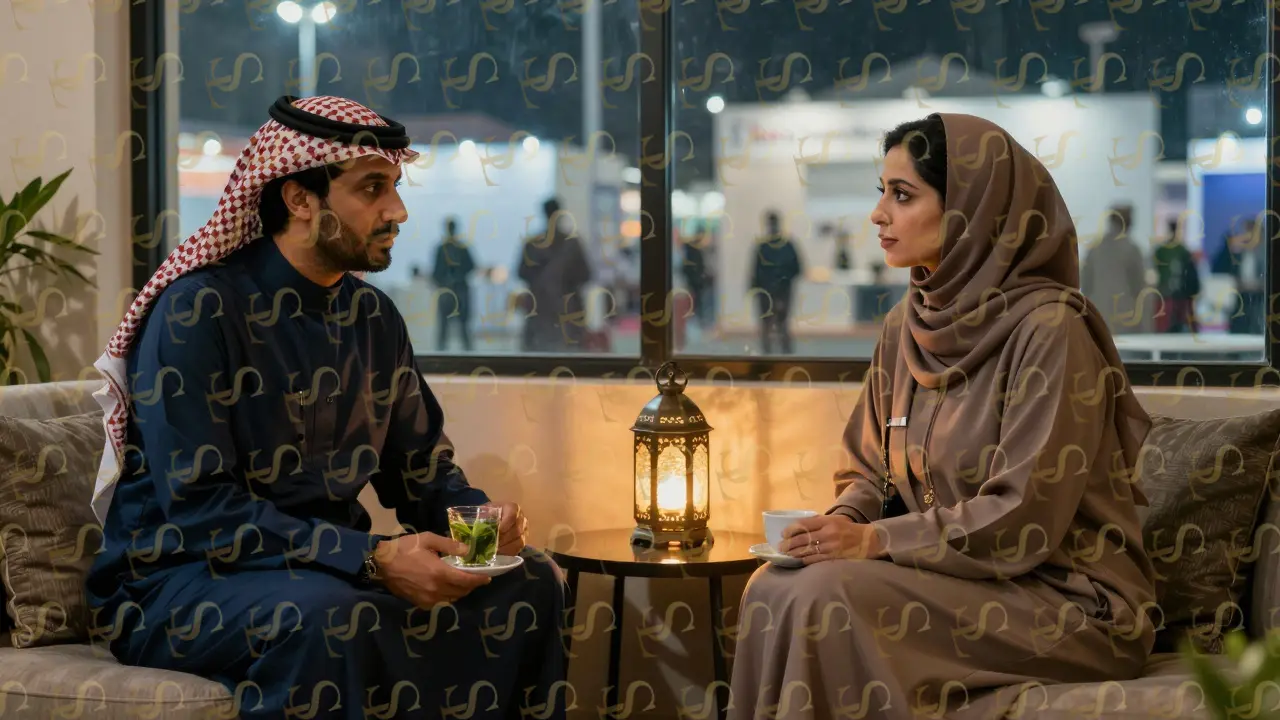

At the Arab Health Exhibition, the real business doesn’t always happen in the conference rooms. It happens over dinner, in private lounges, or during a quiet walk between pavilions. The biggest deals, partnerships, and long-term relationships are often sealed not by presentations, but by how well you make someone feel. And that’s where VIP companions come in – not as accessories, but as strategic assets.
Why VIP Companions Matter at Medical Events
Medical executives aren’t just there to buy equipment or sign contracts. They’re there to unwind, to be listened to, to feel respected. After long days of back-to-back meetings, they don’t need another sales pitch. They need human connection. A well-placed companion – someone who understands the industry, reads the room, and knows when to speak and when to stay quiet – can turn a transaction into a trust.
Think of it like this: a hospital CEO from Riyadh might spend eight hours listening to vendors explain the specs of a new MRI machine. By 6 p.m., he’s tired. His mind is full. But when he sits down for dinner and the person across from him asks, “What was the hardest decision you made this year?” – not about budgets, but about leadership – something shifts. That’s the power of a VIP companion.
Who Are These VIP Companions?
They’re not event staff. They’re not entertainers in the traditional sense. They’re professionals trained in medical industry etiquette, cultural awareness, and high-stakes conversation. Many have backgrounds in nursing, hospital administration, or pharmaceutical sales. Some are former healthcare consultants. Others are multilingual diplomats with deep ties to regional medical communities.
At Arab Health, the best companions know:
- That in the Gulf, business is personal – and personal means family, honor, and patience
- That a doctor from Cairo might prefer tea over wine, and silence over small talk
- That mentioning a competitor’s product by name can be a deal-breaker
- That knowing which hospital a guest attended medical school at can open more doors than any brochure
These aren’t party hosts. They’re cultural translators.
The Real Cost of Getting It Wrong
One company brought a young model to accompany their top executive. She wore a designer dress, spoke fluent English, and smiled constantly. The executive from Abu Dhabi didn’t say a word. He left early. The next day, his team pulled out of negotiations.
Why? Because in many Arab cultures, professionalism isn’t about glamour – it’s about dignity. A companion who looks like she’s from a fashion magazine can unintentionally signal disrespect. It’s not about the outfit. It’s about the message.
Another firm hired a companion who knew Arabic, French, and English. She asked thoughtful questions about healthcare reform in Jordan. She shared a story about her uncle’s experience with dialysis. The executive cried. He signed the contract that night.
It’s not about entertainment. It’s about empathy.

How to Choose the Right Companion
Not every VIP companion is the same. Here’s what works:
- Industry experience matters more than charm. Someone who’s worked in a hospital ER knows how to talk about stress, shift changes, and supply shortages – and those are the topics that build real trust.
- Cultural fluency is non-negotiable. A companion who doesn’t understand the difference between a Saudi royal family’s expectations and a Lebanese clinic director’s needs will fail. Language alone isn’t enough.
- Discretion is the new luxury. These people don’t post on LinkedIn. They don’t take selfies. They don’t mention names. Their value is in their silence.
- They should never steal the spotlight. The executive is the star. The companion is the mirror – reflecting, amplifying, never overshadowing.
Companies that treat this like hiring a hostess for a gala are wasting money. Those that treat it like bringing in a trusted advisor? They get repeat business.
Real Examples from Arab Health 2025
At last year’s exhibition, a German medical device firm brought a former head of nursing from Dubai. She didn’t sell. She listened. She asked executives about the challenges of staffing in rural clinics. She shared a story about how her team had to improvise with limited oxygen tanks during Ramadan. By the end of the night, three hospital directors invited her to visit their facilities. One signed a $4 million order the next morning.
Another company, from South Korea, brought a companion who had worked in Saudi Arabia for 12 years. She knew which hospitals had just upgraded their ICU units. She knew who was retiring. She knew who was being promoted. She didn’t mention any of it – but when the right moment came, she subtly guided the conversation. The result? A partnership that now supplies 40% of the Kingdom’s ventilators.

What You Should Avoid
Don’t bring someone just because they’re beautiful. Don’t bring someone who doesn’t know the difference between a cardiologist and a radiologist. Don’t bring someone who talks too much about themselves. Don’t bring someone who uses social media during the event.
And never, ever assume that a companion’s role is to be seen – not heard. Their job isn’t to be noticed. It’s to make the executive feel understood.
The Unspoken Rule
The best VIP companions at Arab Health don’t have titles. They don’t have business cards. They’re not listed on the exhibitor roster. But they’re the reason some companies leave with 10 new clients – and others leave with nothing.
It’s not about luxury. It’s about loyalty.
When you’re in a room full of doctors, administrators, and policymakers, the person who remembers your mother’s illness, your son’s graduation, or your last trip to Jeddah? That’s the person who gets your business. Not the one with the fanciest booth. Not the one with the lowest price. The one who made you feel like more than a client.
That’s the real value of a VIP companion.